Why Surat Is Called the Textile Hub of India: A Deep Dive into the Fabric Capital
Surat, often referred to as the "Textile Hub of India," is the powerhouse behind nearly half of the country’s fabric production. This article explores the city's rich textile heritage, massive manufacturing scale, skilled labor, and thriving fabric markets.

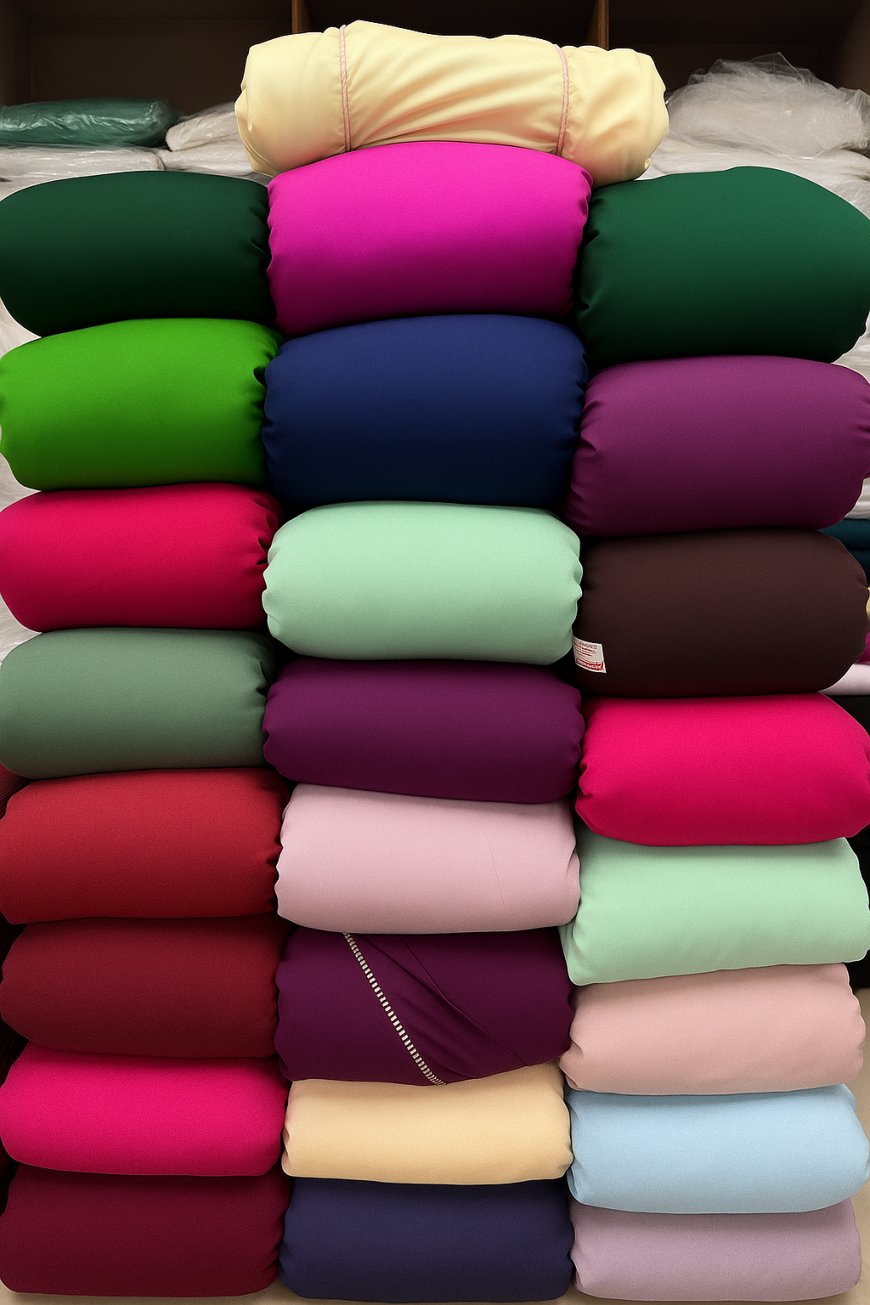
Surat, located in the western state of Gujarat, is not just a cityits the heartbeat of Indias textile industry. Widely known as the Textile Hub of India, Surat has earned this title through decades of growth, innovation, and an unmatched contribution to the countrys fabric and garment economy. From traditional weaving techniques to modern textile mills, Surat blends craftsmanship and commerce like no other city.
In this blog, we explore why Surat holds such a dominant position in the Indian textile industry and why businesses from across the country and the world rely on this city for their fabric needs.
1. Historical Roots in Textile Production
Surats history as a trading and manufacturing center goes back centuries. During the Mughal era and even under British rule, Surat was a major port and center of trade, including textiles like cotton, silk, and brocade. Over time, local artisans developed mastery in weaving and dyeing, creating intricate fabrics that were in high demand across India and in international markets.
The city's legacy in fabric creation laid the foundation for the emergence of a full-fledged textile industry in the post-independence era.
2. Massive Scale of Production
Today, Surat is responsible for producing over 40% of Indias man-made fabric. It is estimated that more than 30 million meters of fabric are manufactured here daily. The city houses over 650,000 power looms, thousands of textile mills, embroidery units, dyeing and printing houses, and finishing units.
Surat is particularly known for:
-
Synthetic fabrics like polyester, viscose, and nylon
-
Blended fabrics combining different materials
-
Embroidered and printed fabrics
-
Fancy dress materials and sarees
This scale and diversity make Surat a one-stop destination for fabric buyers.
3. Cluster-Based Industry Model
Surats textile ecosystem operates in a well-organized cluster format. Different parts of the production process are often located close to each other, making the supply chain highly efficient. For example:
-
Weaving units create the raw fabric
-
Dyeing and printing houses color and design the material
-
Embroidery units add decorative work
-
Wholesalers and exporters distribute the final product
This close-knit ecosystem reduces costs, minimizes delays, and boosts productivity. It also helps small manufacturers scale up without investing in every part of the supply chain themselves.
4. Availability of Raw Material and Infrastructure
Surat has easy access to the raw materials needed for synthetic fabric production. The city is well-connected to nearby ports, rail networks, and roadways, ensuring seamless transportation of goods across the country and abroad. Its proximity to Mumbai ports makes it ideal for international textile trade.
The presence of industrial estates, textile parks, and export processing zones further encourages growth. Facilities like the Surat Textile Market, Millenium Textile Market, and Radha Krishna Textile Market are major hubs for bulk fabric trading.
5. Skilled Labor Force
The city employs more than 1.5 million workers in the textile sector. From traditional weavers to machine operators, Surat is home to a highly skilled and specialized labor force. Many families have been in the textile trade for generations, passing down expertise in weaving, dyeing, embroidery, and fabric design.
In addition, ongoing training programs and industry-led initiatives keep workers up-to-date with the latest techniques and technologies, ensuring world-class quality and efficiency.
6. Advanced Technology & Innovation
Unlike many traditional fabric centers that struggled to modernize, Surat embraced innovation. Many textile units in the city use state-of-the-art machinery, including:
-
Computerized embroidery machines
-
Digital printing machines
-
High-speed looms
-
Automated dyeing and finishing plants
This technological edge allows Surat to produce large volumes of high-quality fabric at competitive prices, while also catering to custom and designer orders.
7. Export Potential and Global Reach
Surat is a major exporter of fabrics and garments to markets like the Middle East, Africa, Europe, and Southeast Asia. With multiple players offering competitive rates, timely delivery, and customization, the city has gained a solid international reputation.
Whether its for fashion houses in Dubai or fabric importers in Kenya, Surat remains a preferred sourcing destination. Government initiatives like Make in India, Textile Upgradation Funds Scheme (TUFS), and Mega Integrated Textile Region and Apparel (MITRA) parks further support this global expansion.
8. Fashion and Design Trends Start Here
Surat is not just a manufacturing cityits a trendsetter. Local textile designers constantly innovate with new prints, color palettes, textures, and embroidery styles, often influencing the collections seen in Mumbai, Delhi, and international fashion shows.
Boutiques and fashion labels across India depend on Surats fabric wholesalers to stay ahead of trends, especially in the womens fabric wholesaler segment.
Whether its floral printed cottons for summer or sequined georgettes for festive wear, Surats markets offer everything a designer or boutique owner needs to build a winning collection.
9. Surat's Textile Markets: A Buyers Paradise
No article on Surats textile legacy is complete without mentioning its iconic wholesale markets. Some of the largest and busiest include:
-
Surat Textile Market (STM)
-
Millennium Market
-
RK Market
-
J.J. Market
-
Radha Krishna Textile Market
-
Gujarat GIDC markets
These markets offer a mind-boggling variety of fabrics at wholesale prices. Retailers, designers, exporters, and ecommerce sellers visit these markets regularly to purchase stock for their businesses.
10. Government Support and Future Outlook
The government of Gujarat has been proactive in supporting Surats textile industry. From power subsidies for looms to incentives for exporters, policies are designed to foster growth and modernization.
Projects like the Surat Diamond Bourse, Smart City Initiatives, and proposed Textile University will further enhance Surats global competitivenessnot just in textiles, but as an overall commercial hub.
With sustainable practices, eco-friendly dyeing units, and innovation on the rise, Surat is also preparing for a greener textile future.