Travel Business Listings and Online Booking Platforms: Navigating the Digital Travel Landscape
Discover how travel business listings and online booking platforms are transforming the $640B travel industry. Learn optimization strategies, platform benefits, and future trends for travel businesses seeking digital success.

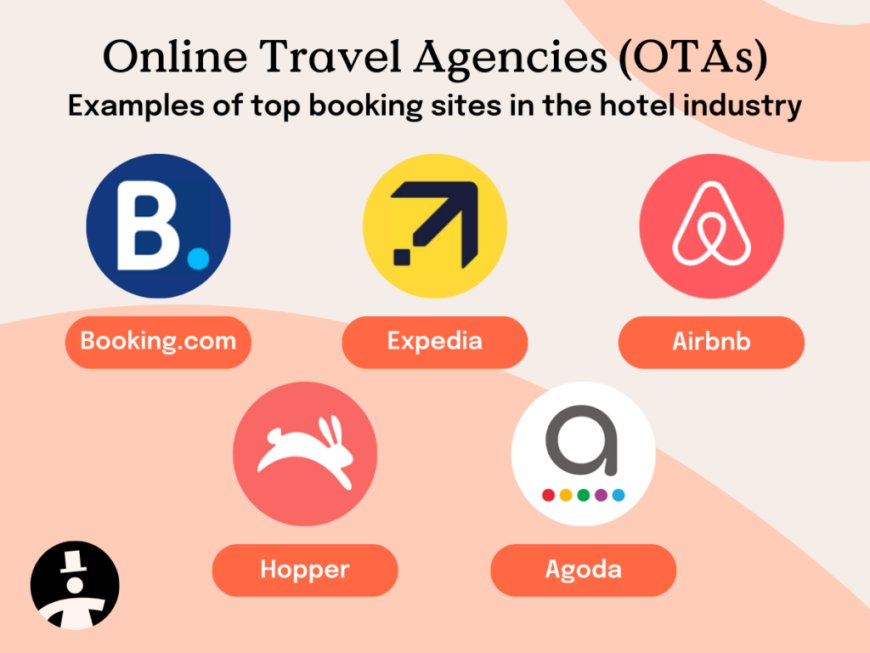
The travel industry has undergone a remarkable digital transformation, with online booking platforms and business listings becoming the backbone of modern travel commerce. With the global online travel market valued at over $640 billion in 2024 and projected to reach $1.3 trillion by 2030, understanding how to effectively leverage these platforms has become essential for travel businesses seeking success in an increasingly competitive landscape.
The Rise of Online Travel Platforms
Market Dominance and Growth
Online channels now generate approximately 70% of total travel and tourism market revenue, demonstrating the complete shift from traditional booking methods to digital-first approaches. The online travel booking system market continues expanding rapidly, with platforms processing billions of transactions annually and serving millions of users worldwide.
Leading platforms likeBooking.com,Expedia Group, andAirbnbdominate the landscape, with Booking Holdings reporting the highest market capitalization among online travel companies in 2024. These platforms have become essential intermediaries, connecting travelers with accommodations, flights, car rentals, and experiences across the globe.
Essential Features of Modern Booking Platforms
User Experience Excellence
Successful travel booking platforms share several critical features that enhance the user experience and drive conversions. A user-friendly interface serves as the cornerstone, seamlessly guiding customers through the booking process with clear information about services and pricing. This intuitive design reduces customer frustration while simultaneously increasing booking completion rates.
Real-time availabilityrepresents another fundamental feature, providing customers with up-to-date information about services and pricing. This capability empowers travelers to make informed decisions while helping businesses manage inventory effectively and prevent overbooking scenarios.
Secure payment gateway integrationhas become non-negotiable, protecting customer data while streamlining the transaction process. Modern platforms support multiple payment methods and currencies, accommodating diverse customer preferences and international travelers.
Technology Integration Trends
The integration of artificial intelligence and machine learning is revolutionizing booking experiences. AI-powered personalization analyzes user behavior, preferences, and historical data to provide tailored recommendations, resulting in higher engagement rates and increased conversion potential. Voice-activated bookings are emerging as a significant trend, with platforms integrating with Amazon Alexa, Google Assistant, and Apple's Siri to offer hands-free booking experiences.
Mobile-first design has become essential, with smartphone usage dominating travel booking behaviors in 2025. Platforms optimizing for mobile experiences capture the growing segment of travelers who research and book entirely on mobile devices.
The Power of Travel Business Directories
Strategic Visibility Advantages
Travel business directories serve as centralized hubs where travelers access verified information about destinations, accommodations, transportation services, and local attractions. These specialized platforms have evolved beyond simple listings to become sophisticated ecosystems combining user reviews, interactive maps, booking capabilities, and personalized recommendations.
Nearly 67% of travelers consult at least one online directory during their trip planning process, highlighting the continued relevance of these resources despite social media proliferation. For travel businesses, directory listings offer significant visibility advantages by connecting them directly with consumers actively searching for travel services.
SEO and Digital Marketing Benefits
Directory listings provide substantial SEO benefits that help search engines discover and rank travel websites higher. These platforms offer valuable inbound links that increase website authority and improve search engine rankings. Being listed in authoritative travel directories signals relevance to search engine algorithms, potentially resulting in higher positions on search engine results pages.
According to industry statistics, 80% of people use online directories to find companies or products they seek, with the same percentage using directories with purchase intent. This targeted exposure makes directory listings an effective form of advertising, connecting businesses with customers already interested in their services.
Major Booking Platform Categories
Accommodation-Focused Platforms
Booking.comleads the accommodation booking space with its extensive inventory of hotels, vacation rentals, and alternative accommodations. The platform's strength lies in its comprehensive property selection and user-friendly booking process, supported by advanced AI features like Smart Filter technology that allows users to describe ideal properties in natural language.
Airbnbrevolutionized the accommodation sector by creating a marketplace for unique stays and experiences. The platform has evolved beyond simple home-sharing to include hotels and specialized accommodations, implementing dynamic pricing algorithms similar to traditional hospitality providers.
Flight and Transportation Platforms
Skyscanneroperates as a metasearch engine, aggregating flight options from various airlines and travel sites. With approximately 100 million users monthly, the platform enables price comparison, tracking, and personalized recommendations. Its strength lies in providing comprehensive search results rather than direct booking, allowing users to find optimal deals before completing purchases elsewhere.
Comprehensive Travel Platforms
Expedia Groupoffers a complete travel ecosystem encompassing flights, hotels, car rentals, cruises, and package deals. The platform's Open World initiative empowers startups to build innovative capabilities on Expedia's infrastructure, enabling personalized travel experiences through technology and data access.
TripAdvisorcombines review-based recommendations with booking capabilities, hosting over 450 million monthly visitors. The platform's strength lies in its extensive user-generated content, providing travelers with authentic insights about destinations, accommodations, and experiences.
Business Benefits of Platform Participation
Revenue Generation and Customer Acquisition
Participating in online booking platforms and directories offers multiple revenue-generating opportunities for travel businesses. Platforms provide access to global audiences that individual businesses could never reach independently, enabling small operators to compete with larger companies on visibility and booking potential.
Customer acquisition benefitsinclude exposure to actively searching travelers, reduced marketing costs compared to traditional advertising, and access to sophisticated targeting capabilities. Businesses report that 49% of travel agents successfully acquire new customers through additional digital services, demonstrating the effectiveness of platform participation.
Brand Building and Credibility
Directory listings enhance professional appearance and credibility. When potential customers discover businesses through reputable directories, they perceive them as more trustworthy and established. This credibility factor becomes particularly important in the travel industry, where consumers make significant financial commitments based on online information.
Platform reviews and ratings systems build social proof, with 95% of travelers reading reviews before booking. Positive reviews on established platforms significantly influence booking decisions and help businesses differentiate themselves from competitors.
Challenges and Considerations
Commission Structures and Costs
Most online booking platforms operate on commission-based models, charging fees ranging from 10% to 25% of booking values. While these platforms provide valuable exposure and booking infrastructure, the commission costs can significantly impact profit margins, particularly for smaller operators.
Competition and Market Saturation
The success of online platforms has intensified competition, with thousands of businesses competing for visibility within the same marketplaces. Standing out requires strategic optimization of listings, competitive pricing, exceptional customer service, and active review management.
Dependency Risks
Heavy reliance on third-party platforms creates dependency risks. Algorithm changes, policy updates, or platform disputes can dramatically impact business visibility and bookings. Successful operators maintain diversified distribution strategies, balancing platform participation with direct booking initiatives.
Optimization Strategies for Success
Local SEO Integration
Travel businesses must integrate local SEO strategies with platform listings to maximize visibility. Optimizing Google Business Profiles with accurate information, positive reviews, and regular updates enhances local search performance and complements platform presence.
Content Marketing and Reviews
Active review management and content creation drive platform success. Businesses should encourage satisfied customers to leave reviews, respond professionally to all feedback, and regularly update listings with fresh content and imagery.
Data Analytics and Performance Monitoring
Successful platform participation requires continuous monitoring and optimization. Businesses should track conversion rates, review scores, search rankings, and booking patterns to identify improvement opportunities and adjust strategies accordingly.
Future Trends and Innovations
AI-Powered Personalization
Artificial intelligence will continue transforming platform experiences through hyper-personalized recommendations, predictive analytics, and automated customer service. Platforms investing in AI capabilities will likely capture larger market shares while providing superior user experiences.
Sustainability Integration
Environmental consciousness is driving platform evolution, with 40% of travelers now considering sustainability when booking. Platforms are incorporating carbon footprint filters, promoting eco-certified properties, and highlighting sustainable travel options to meet growing demand.
Integrated Experience Platforms
The future points toward comprehensive platforms that seamlessly integrate flights, accommodations, ground transportation, and experiences into unified booking experiences. This evolution will benefit travelers seeking convenience while creating new opportunities for businesses to package and cross-sell services.
Conclusion
Travel business listings and online booking platforms have fundamentally transformed the industry, creating unprecedented opportunities for businesses to reach global audiences while providing travelers with convenient, comprehensive booking experiences. With the online travel market projected to nearly double by 2030, understanding and optimizing platform participation has become essential for business success.
The key to thriving in this digital ecosystem lies in strategic platform selection, listing optimization, active customer engagement, and maintaining a balance between platform dependency and direct booking initiatives. Businesses that embrace these platforms while building strong brand identities and customer relationships will be best positioned to capitalize on the continued growth of digital travel commerce.
As technology continues evolving with AI integration, sustainability features, and enhanced personalization capabilities, the platforms that prioritize user experience, innovation, and authentic value creation will lead the transformation of travel booking into an increasingly seamless, personalized, and comprehensive experience for travelers worldwide.