USA Travel Industry Outlook: Predictions for 2030
Discover the USA travel industry outlook for 2030: $456B market projections, domestic travel dominance, technology trends, sustainability growth, and challenges facing international tourism in America's evolving travel landscape.


The American travel industry stands at a pivotal juncture as it looks toward 2030, characterized by remarkable growth potential alongside unprecedented challenges. Despite current headwinds, the sector is positioned to become a $456 billion powerhouse by 2030, driven by evolving consumer preferences, technological innovation, and shifting demographic trends that will fundamentally reshape how Americans travel.
Market Size and Growth Projections
The United States travel and tourism market is projected to experience substantial expansion over the next decade. From a valuation of $182.34 billion in 2024, the industry is expected to reach $456.21 billion by 2030, representing a compound annual growth rate (CAGR) of 3.67%. This growth trajectory positions travel and tourism as one of the most resilient economic sectors in the post-pandemic era.
Supporting this optimistic outlook, the broader travel and tourism market is anticipated to generate $233.93 billion in revenue by 2025, with projections indicating continued growth at a 6.63% CAGR through 2030, culminating in a market volume of $322.39 billion. The luxury travel segment alone is expected to grow from $397.91 billion in 2024 to $634.27 billion by 2030, demonstrating an impressive 8.2% CAGR.
Domestic Travel Dominance
Domestic Tourism Surge
Domestic travel is set to dominate the American travel landscape through 2030, with projections indicating it will represent approximately 70% of total travel spending. This shift reflects a fundamental change in American travel behavior, driven by a renewed appreciation for local experiences and domestic destinations. The resurgence of the classic American road trip exemplifies this trend, with regional travel becoming increasingly popular among all age groups.
Americans are rediscovering the beauty of their own country, with particular interest in exploring untouched landscapes, national parks, and unique cultural experiences within U.S. borders. This domestic focus is particularly pronounced among younger generations, who are increasingly drawn to outdoor adventure programs and nature-based experiences.
Technological Transformation
Digital Innovation Leading the Way
The digitalization of travel is accelerating rapidly, with the U.S. digital travel market projected to grow from $38.9 billion in 2024 to $79.6 billion by 2033, at a CAGR of 10.2%. Digital travel sales are expected to reach over $200 billion annually by 2025, powered by artificial intelligence, dynamic pricing, and predictive analytics.
Key technological trends shaping the industry through 2030 include:
Artificial Intelligence and Personalization: AI-powered travel assistants and recommendation engines are becoming standard, with companies like Expedia launching AI travel companions to provide hyper-personalized experiences. These systems analyze traveler preferences, past behaviors, and real-time data to create tailored itineraries and suggestions.
Biometric and Recognition Technology: Contactless check-in systems, facial recognition, and biometric security are streamlining the travel experience across hotels and airports, reducing wait times and enhancing security.
Blockchain and Cryptocurrency: Blockchain adoption in hotel loyalty programs is projected to grow by 31% CAGR through 2030, enabling more secure transactions and innovative payment options.
Sustainability and Responsible Tourism
Environmental Consciousness Rising
Sustainable tourism is experiencing remarkable growth, with the U.S. sustainable tourism market expected to reach $761.3 million by 2035, growing at a 9.3% CAGR. The responsible tourism sector is projected to increase from $41.5 billion in 2025 to $62.2 billion by 2035.
Consumer behavior is driving this transformation, with 84% of travelers indicating that sustainable travel is important to them. Key trends include:
-
Eco-Tourism Growth: The global ecotourism market is expected to reach $279 billion in 2025, with significant growth in the U.S. market
-
Green Accommodations: Sustainable accommodation options cost an average of $151 less per night and are 39% cheaper than non-sustainable alternatives
-
Carbon Consciousness: 75% of travelers plan to travel more sustainably over the next year, with 57% wanting to reduce their energy consumption on trips
Emerging Travel Segments
Solo Travel Boom
The solo travel market represents one of the fastest-growing segments, valued at $94.88 billion in 2024 and expected to expand at a remarkable 12.4% CAGR through 2030. This growth is driven by millennials and Gen Z seeking personalized, flexible experiences, enhanced by remote work capabilities that enable extended travel periods.
Wellness and Health Tourism
Health and wellness tourism continues gaining momentum, with travelers seeking destinations that offer wellness-focused resorts, medical treatments, and rejuvenation experiences. California, Arizona, and Florida are emerging as leading wellness tourism destinations.
Business Travel Recovery
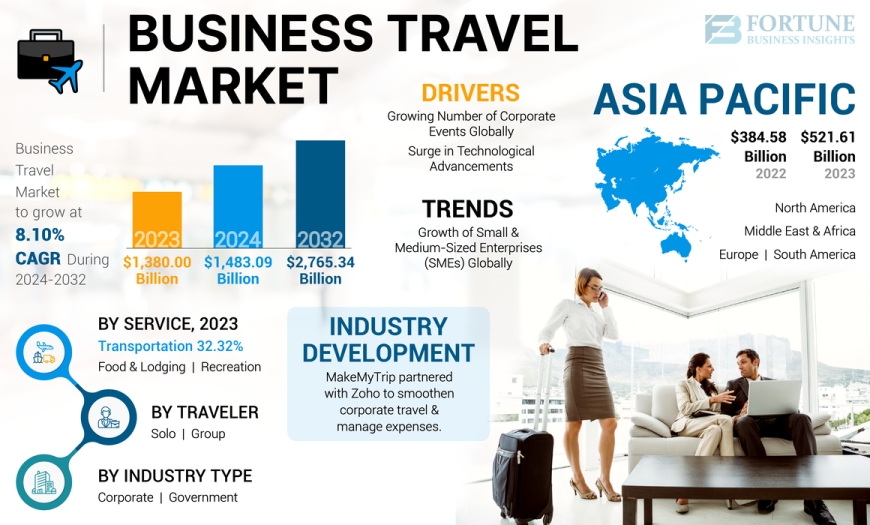
The business travel market is projected to reach $324.1 billion by 2030, growing at a 7.6% CAGR from 2025. Despite initial post-pandemic challenges, business travel is rebounding as companies recognize the importance of in-person meetings and relationship building.
Challenges and Headwinds
International Tourism Struggles
Despite strong domestic growth prospects, the U.S. faces significant challenges in attracting international visitors. The country is projected to lose $12.5 billion in international visitor spending in 2025, making it the only economy among 184 analyzed to see declining international tourism.
International visitor spending is expected to fall to under $169 billion in 2025, representing a 7% drop from 2024 and a 22% decline from pre-pandemic peaks. Factors contributing to this decline include:
-
Strong U.S. dollar making American vacations expensive for international visitors
-
Perceived strict border controls and immigration policies
-
Competition from other destinations offering easier entry and better value
Workforce Challenges
The industry continues to face a significant labor shortage, with current estimates indicating 7% of tourism jobs in the United States remain unfilled. Employment in tourism-related industries remains 4.3% below pre-pandemic levels, despite strong demand recovery. The sector is expected to face ongoing challenges in attracting and retaining workers, particularly in customer-facing roles.
Economic Pressures on Consumers
American consumers are showing increasing price sensitivity, with 46% planning summer vacations in 2025 compared to 53% in 2024. Economic concerns are reshaping travel behavior, with consumers adopting more frugal approaches while maintaining their determination to travel.
Future Outlook and Opportunities
Technology Integration
The integration of advanced technologies will continue transforming the travel experience through 2030. Self-driving vehicles, 5G connectivity, and augmented reality are expected to become mainstream, enhancing both the booking process and the actual travel experience.
Demographic Shifts
Millennials and Gen Z will represent an increasingly significant portion of travelers by 2030, bringing preferences for authentic experiences, sustainable travel, and technology-enabled convenience. These generations prioritize experiences over material possessions and are willing to adapt their travel patterns to align with their values.
Regional Growth
The Pacific Northwest, Northeast, and Sun Belt regions are positioning themselves as leaders in sustainable tourism and innovative travel experiences. These areas are investing in green infrastructure, eco-friendly accommodations, and unique cultural offerings to attract the next generation of travelers.
Conclusion
The USA travel industry's path to 2030 presents a complex landscape of tremendous opportunities and significant challenges. While domestic travel is positioned for robust growth driven by technological innovation and changing consumer preferences, the industry must address international tourism decline and workforce shortages to achieve its full potential.
Success will depend on the industry's ability to embrace sustainability, leverage technology for personalized experiences, and adapt to evolving demographic preferences while addressing structural challenges in workforce development and international competitiveness. The organizations that can navigate this transformation while maintaining focus on authentic, sustainable, and technology-enabled experiences will be best positioned to capitalize on the $456 billion opportunity that awaits by 2030.