What Roles Do Nurses Play in Bridge Home Health Programs?
Learn how nurses help patients recover at home through bridge home health programs with care, support, and expert medical attention.

Nurses have always been the heart of healthcare, and that doesn't change just because the setting shifts from a hospital to someones living room. In bridge home health programs, their role becomes even more personal and impactful. These programs help patients move from hospital care to healing at homesafely and smoothly. Right in the middle of all this are nurses, coordinating, supporting, and making sure the process works. In the case of bridge home health, nurses aren't just caregivers; they're the ones holding everything together.
What Exactly Is Bridge Home Health?
Before getting into what nurses do, it helps to know what bridge home health actually is. Its a short-term healthcare service that helps patients transition from hospital stays to home recovery. People who recently had surgery, dealt with a major illness, or need medical attention at home for a limited time fall into this group. The goal is simple: help them recover at home, without needing to go back to the hospital. And this is where nurses become the key players.
The First Point of Contact
Initial Assessment and Planning
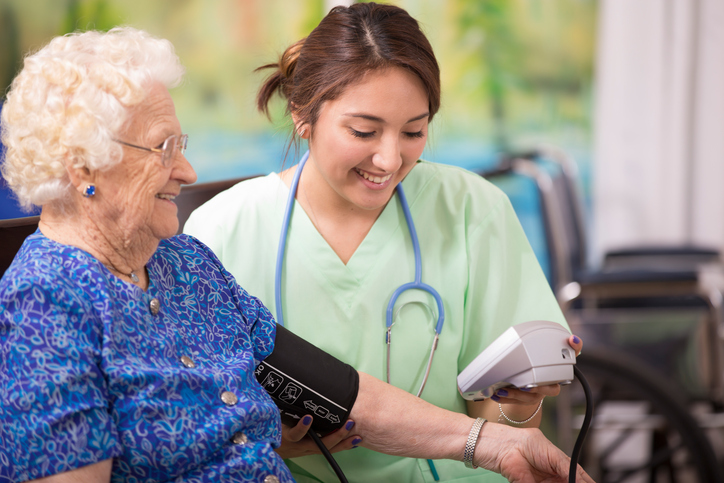
Once a patient gets discharged and signs up for bridge home health, the nurse is usually the first person theyll meet. This visit isnt just about saying helloits all about figuring out what the patient needs. Nurses check vitals, review medications, and evaluate how independent the patient can be. They work with doctors and therapists to put together a care plan that suits the patients daily life at home.
Building Trust with the Patient and Family
People recovering at home are often anxious. Theyve left the structure of a hospital and now need to rely on family, caregivers, or themselves. Nurses help ease that anxiety. They talk through the care plan, explain what to expect, and help both the patient and family feel confident. Its more than just medical careits emotional support.
Hands-On Medical Care
Medication and Treatment Support
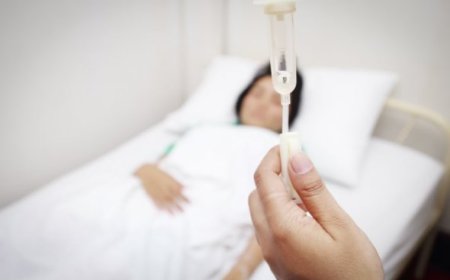
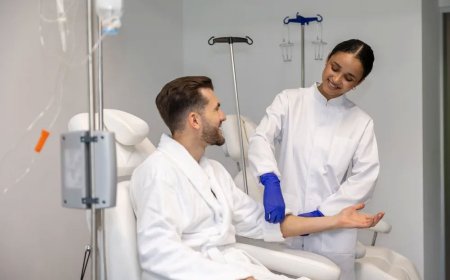
Nurses in bridge home health programs manage medication schedules, check for side effects, and make sure prescriptions are followed correctly. This prevents complications and hospital readmissions. Theyre also trained to handle wound care, injections, IV therapy, and more. It's hands-on, and it's done in the comfort of the patients home.
Keeping a Close Watch
Recovery doesnt always go as planned. Nurses keep an eye out for any signs that something isnt right. Whether it's a small infection or a sudden dip in blood pressure, they notice these things early and act fast. They contact the doctor, update care plans, and prevent small issues from becoming big problems.
Teaching and Coaching
Helping Patients Regain Control
One of the biggest goals of bridge home health is to help patients become independent again. Nurses guide them through basic taskstaking medications, managing symptoms, or using medical equipment. Theyre patient, encouraging, and focused on getting the person back to a place where they dont need daily medical visits.
Training Family Caregivers
Sometimes, the patient isn't the only one who needs guidance. Family members often step in as caregivers, and many have no idea what theyre doing at first. Nurses step up to coach themteaching how to clean wounds, adjust medications, or safely move a patient. They take the mystery out of caregiving and make it more manageable.
Communication and Coordination
Linking Doctors, Therapists, and the Patient
Nurses are the ones who keep the whole care team connected. They share updates with doctors, schedule therapy visits, and make sure everyone is on the same page. Without them, the bridge home health program wouldnt run smoothly.
Updating Care Plans in Real-Time
Things change quickly during recovery. Maybe a patients blood pressure improves, or they suddenly need oxygen support. Nurses notice these things and adjust the care plan right away. Theyre flexible and know how to respond without skipping a beat.
Supporting Mental and Emotional Health
Listening Is a Big Part of the Job
Being sick or injured takes a toll mentally. Nurses recognize this and create space for honest conversations. Patients often feel lonely or scared, and nurses are there to listen without judgment. Sometimes, that support means more than any medical treatment.
Recognizing the Signs of Depression or Anxiety
Nurses are trained to spot more than physical symptoms. Theyre often the first to recognize signs of mental strainwhether it's anxiety, sadness, or even early depression. They can suggest therapy, bring in social workers, or help start conversations that lead to support.
Adapting to Different Homes and Lifestyles
Every home is different. Some patients have a lot of support, others live alone. Some homes are well-equipped, others need serious adjustments. Nurses walk into all kinds of situations and know how to work with whats available. Their flexibility makes care feel personalized and effective.
What Makes These Nurses Unique?
Independence and Responsibility
In bridge home health, nurses often work alone, without a team right beside them. That means they need confidence, strong judgment, and the ability to handle tough situations. Theyre the frontline and the backup, all in one.
Strong Communication Skills
They don't just treat patients; they speak with doctors, explain medical terms to families, and document everything clearly. Their words keep the care team informed and the patient supported.
Final Thought
Bridge home health wouldnt work without nurses. Theyre the ones who bring hospital-quality care into homes while building trust, offering emotional support, and adapting to each persons unique situation. From medical treatment to personal encouragement, they make sure the patient doesn't just get betterthey feel better doing it. Their role isnt flashy, but its essential.