What Makes ADAS Recalibration Essential After Repairs?
ADAS recalibration is key after repairs to keep safety features accurate. Learn why it's essential and what happens during the process.

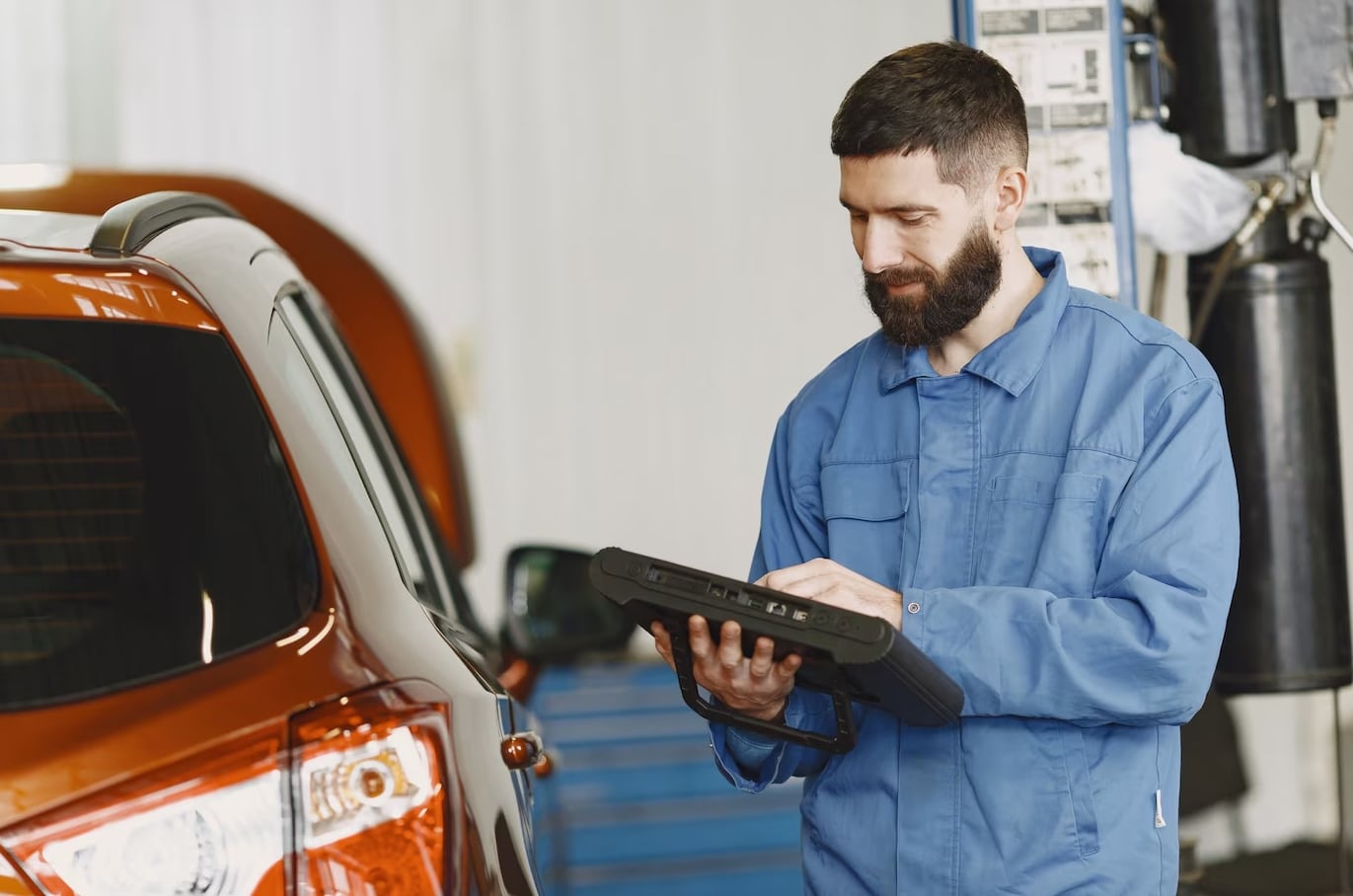
Advanced Driver Assistance Systems (ADAS) are now standard in many modern vehicles. Theyre the tech behind features like lane-keeping alerts, adaptive cruise control, and collision warnings. These systems rely on precise sensor data to work safely. But after even minor repairs, those sensors can get slightly misaligned, which is why ADAS recalibration becomes crucial. Searching for ADAS calibration near me is usually one of the first steps drivers take after a windshield replacement, front-end collision, or suspension work.
Why Sensor Accuracy Matters
Sensors in an ADAS-enabled vehicle arent forgiving. Even a shift of a few millimeters can throw the whole system off. The car may react too early, too late, or not at all to surrounding traffic or road markings. That slight shift could mean the difference between a smooth stop and a fender bender. Repairs, especially those involving the front bumper, wheels, or windshield, can nudge sensors out of place. Thats why realignment through recalibration is essential after service work.
How Repairs Affect ADAS Functionality
Body shops fix dents, replace parts, and repaint panels. But they dont always recalibrate your ADAS. So after repairs, your camera or radar may no longer be aimed properly. Its not about what part was replacedits about how much the vehicles geometry has changed. Even a small repair job can impact ADAS if it affects vehicle height, angles, or glass transparency. This misalignment can cause the system to give false warnings or stop functioning entirely.
Types of Repairs That Disrupt Calibration
Any work involving wheel alignment, windshield replacement, suspension, or the front bumper can affect ADAS systems. It doesnt have to be a major accident. Something as simple as hitting a curb hard enough to bend a suspension component could throw off a radar sensor. Even repainting can interfere with a sensors visibility if paint thickness changes or a cameras field of view is obstructed. These are the moments recalibration becomes non-negotiable.
What Happens During Recalibration
Recalibration isnt just a quick test drive. Its a precise process using specialized tools, targets, and alignment equipment. Technicians use digital measurement systems to re-align cameras and sensors to factory specs. This often involves a static setup with calibration targets or a dynamic road test using live data. The goal is to make sure the system reads the environment exactly as it shouldjust like it did when it left the factory.
Static vs. Dynamic Recalibration
There are two main recalibration methods: static and dynamic. Static recalibration happens in a shop setting with laser-aligned targets and level floors. Its ideal after windshield replacements or front-end work. Dynamic recalibration, on the other hand, takes place on the road. A technician drives the vehicle while using a scan tool to confirm sensor responses in real-time. Some vehicles even require both methods depending on their setup.
The Risk of Skipping Recalibration
Ignoring ADAS recalibration after repairs can compromise safety. Imagine your automatic emergency braking failing to detect a car ahead because the radar is misaligned. Or your lane-keep assist nudging you in the wrong direction. These aren't just annoying glitchestheyre safety risks. Without recalibration, the system cant perform its job, and that puts you and others on the road in danger.
Manufacturer Recommendations
Automakers dont leave this stuff to chance. Many OEMs specify that recalibration must follow any repair that disturbs sensor orientation. Some even require recalibration after simple tasks like tire replacement or an oil change if it affects vehicle pitch. Ignoring these guidelines doesnt just impact performanceit could void warranties or affect insurance claims if something goes wrong later.
Who Performs ADAS Recalibration?
Not all auto repair shops handle ADAS recalibration in-house. Some outsource it to specialists with the right equipment and training. This is where certified calibration centers come in. They have the tools, software, and knowledge to perform accurate recalibrations based on manufacturer standards. It's important to ask whether a shop performs this service directly or subcontracts it. Either way, dont leave without documentation that it was done properly.
Keeping Your Vehicle Safe and Smart
ADAS technology isnt just a luxuryits part of your cars safety system. But it only works when sensors and cameras are precisely aligned. Repairs that throw off this alignment can lead to system failures or false alerts. Thats why recalibration isnt optional. Its a must-do step after certain types of repair work. Whether it's a new windshield or a minor alignment job, making sure ADAS recalibration follows will keep your vehicle performing as intended.
Final Thought:
Its easy to treat recalibration like an add-on service, but its one of the most important parts of modern vehicle maintenance. Even if everything looks fine on the surface, the invisible misalignment of a sensor can lead to real problems on the road. Always double-check that recalibration is part of the repair plan. Your safety, and the accuracy of your cars tech, depends on it.