Tree Pruning: A Complete Guide to Healthier, Safer, and Better-Looking Trees
Tree pruning is more than just yard work—it's an essential practice that helps your trees grow stronger, live longer, and look better. When done correctly, pruning adds value to your property, keeps your landscape safe, and supports the long-term health of your trees.

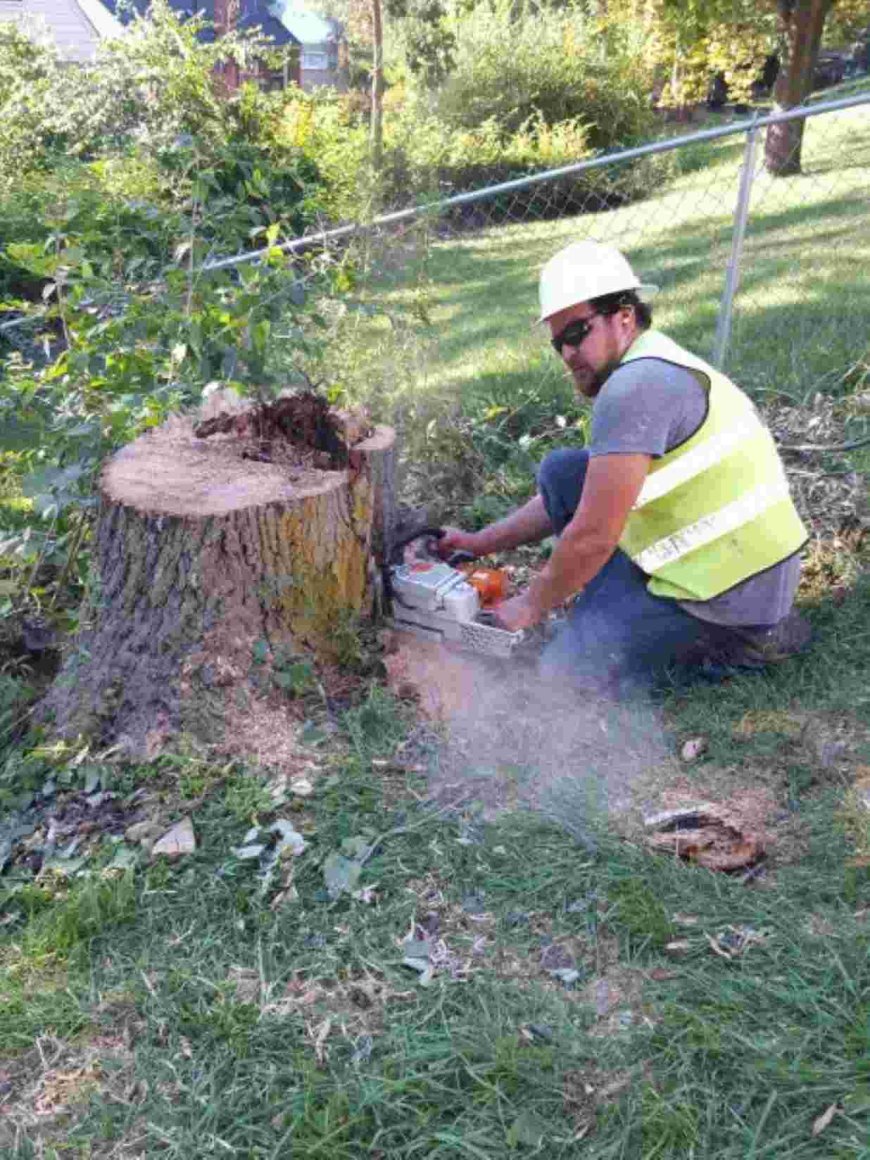
Ever noticed how some trees look neat, healthy, and perfectly shaped while others are a tangled mess of dead limbs and wild branches? The difference often comes down to one thing: tree pruning.
Whether youre a weekend gardener or managing a commercial property, proper pruning can transform your landscape, improve tree health, and even prevent costly damage to your home. In this guide, well cover everything you need to knowfrom when and how to prune, to tools, techniques, and expert tips.
?? What Is Tree Pruning?
Tree pruning is the selective removal of branches to improve the structure, health, safety, and appearance of a tree. It's not just about aestheticspruning:
-
Encourages strong growth
-
Reduces risk of falling branches
-
Removes diseased or dead wood
-
Shapes trees for beauty and function
-
Improves air circulation and sunlight penetration
? Benefits of Tree Pruning
? 1. Promotes Tree Health
Removing dead or diseased limbs stops decay and pest infestations from spreading.
? 2. Boosts Safety
Falling branches can cause serious damage or injurypruning minimizes that risk.
? 3. Enhances Curb Appeal
A neatly pruned tree frames your home beautifully and raises your property value.
? 4. Improves Sunlight and Airflow
Helps lawns, plants, and the tree itself grow better under improved conditions.
? 5. Encourages Fruit Production
Fruit trees that are pruned properly produce more and better-quality fruit.
? When Is the Best Time to Prune Trees?
| Tree Type | Best Pruning Season |
|---|---|
| Deciduous Trees | Late winter to early spring (before new growth) |
| Flowering Trees | Right after blooming (for spring bloomers) |
| Fruit Trees | Winter or early spring |
| Evergreen Trees | Early spring or late summer |
?? Avoid heavy pruning in fallit can stimulate new growth that may not survive winter.
? Essential Tree Pruning Tools
-
Hand pruners For small branches (up to inch)
-
Loppers For medium branches (up to 1 inches)
-
Pruning saws For thicker branches
-
Pole pruners For high branches without climbing
-
Chainsaws For heavy-duty or large trees (use with caution!)
-
Safety gear Gloves, goggles, helmet, and sturdy shoes
? Basic Tree Pruning Techniques
?? 1. Cleaning
Removing dead, diseased, or broken branches.
? 2. Thinning
Improving structure and airflow by removing selected branches.
? 3. Raising
Trimming low-hanging branches to clear paths, views, or structures.
? 4. Reduction
Reducing size while preserving natural shapecommon for utility line clearance.
? How to Prune Trees the Right Way (Step-by-Step)
-
Inspect the Tree Look for dead limbs, crossing branches, and suckers.
-
Use Sharp Tools Clean cuts heal faster and reduce disease.
-
Cut at the Right Angle Make clean cuts just outside the branch collar.
-
Dont Over-Prune Never remove more than 25% of the trees canopy.
-
Step Back and Evaluate Regularly check your progress as you prune.
? Common Tree Pruning Mistakes to Avoid
-
Topping trees (cutting off the top) Causes weak regrowth and can kill the tree.
-
Leaving long stubs Slows healing and invites disease.
-
Cutting too close to the trunk Damages the collar and limits recovery.
-
Pruning at the wrong time Can reduce flowering or cause stress.
? Signs Your Tree Needs Pruning
-
Branches rubbing or crossing
-
Dead or broken limbs
-
Overgrowth blocking sunlight
-
Cracks or splits in limbs
-
Signs of pests or fungus
-
Tree is too close to house, power lines, or walkways
? Tree Types and How They Should Be Pruned
? Fruit Trees
-
Annual pruning to promote air circulation and fruit yield
-
Remove water sprouts and dead wood
? Flowering Trees
-
Time pruning to maintain blooms (spring bloomers = post-flowering)
? Evergreens
-
Minimal pruning neededfocus on shaping and removing damaged limbs
? DIY Tree Pruning vs. Hiring a Professional
| Factor | DIY | Professional Tree Service |
|---|---|---|
| Small trees | ? Safe and manageable | ? Available if needed |
| Large trees | ? Risky without training | ? Strongly recommended |
| Near power lines | ? Extremely dangerous | ? Trained for hazardous work |
| Climbing needed | ? Risk of falls | ? Equipped with harnesses, lifts |
Pro Tip: Always call an ISA-certified arborist for tall, mature, or risky trees.
? How Much Does Tree Pruning Cost?
| Tree Size | Average Price (USD) |
|---|---|
| Small (under 25 ft) | $75 $200 |
| Medium (2560 ft) | $200 $500 |
| Large (60+ ft) | $500 $1,200+ |
Prices vary depending on height, location, accessibility, and complexity.
? Post-Pruning Tree Care
-
Water the tree if pruned during dry season
-
Dont fertilize immediatelywait 68 weeks
-
Monitor for signs of stress or infection
-
Apply mulch to conserve moisture
? Conclusion
Tree pruning is more than just yard workit's an essential practice that helps your trees grow stronger, live longer, and look better. When done correctly, pruning adds value to your property, keeps your landscape safe, and supports the long-term health of your trees.
Whether you do it yourself or hire a pro, proper pruning is one of the smartest investments you can make in your home and garden.
?FAQs
1. How often should I prune my trees?
Most trees benefit from pruning every 23 years, though young trees may need it more often for shaping.
2. Is it bad to prune in summer?
Light pruning is okay, but avoid heavy cutsespecially in high heat or drought conditions.
3. What is the difference between pruning and trimming?
Pruning is for health and safety; trimming is often just for appearance.
4. Can I prune trees in the rain?
Its best to avoid wet conditionswet tools and leaves increase the risk of disease.
5. Will pruning hurt my tree?
Not if done correctly. In fact, it helps the tree grow stronger and healthier over time.