Thrilling Manaslu Altitude Prep: How to Improve Your Energy
Experience Nepal’s best off-the-beaten-path trek: the Manaslu Circuit, known for wild beauty and cultural richness.


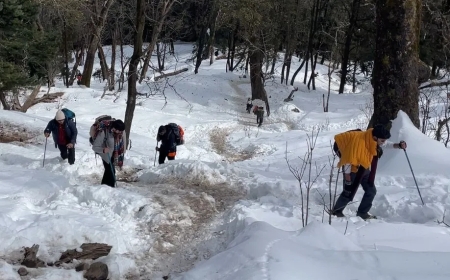
Getting ready for theManaslu Circuit trek is more than just being excited. You need to build your fitness, keep your mind strong, and have a solid game plan for dealing with high altitudes. The trek takes you to over 5,000 meters at spots like the Larkya La Pass, which can be tough even for seasoned trekkers. Start training two to three months ahead of your trip. Focus on cardio workouts like hiking, running, and cycling. Don't forget to strengthen your legs and core, too. Doing some practice hikes at altitude or using altitude masks can help your body adjust before you even get to Nepal.
Good nutrition is key, too. Eat meals rich in carbohydrates for quick energy. Make sure to include proteins and healthy fats to help your muscles recover. Staying hydrated is a mustaim for three to four liters of water a day. Avoid alcohol, as it can make acclimatization harder and increase dehydration. During the trek, take breaks and follow smart acclimatization tips, like going up gradually, taking rest days at places like Samagaun, and checking with your doctor about using medications like Diamox for altitude sickness.
Using deep breathing and mindfulness can help you get more oxygen and stay focused, which is really important at higher elevations. Good gear is also essential to save your energywear light layers, use trekking poles for support, and choose comfortable boots to avoid strain. You might consider supplements like iron, B12, and electrolytes to help, especially when the conditions get tough. In the end, making sure youre prepared, pacing yourself, and knowing your limits can make the Manaslu Circuit not just challenging, but also an amazing experience.
Introduction
The Manaslu Circuit isnt just another hike; its a real test of your endurance. You'll quickly realize that trekking over 5,000 meters requires a good amount of physical and mental energy. This intro will go over the importance of getting ready for the challenges you'll face and why saving your energy is crucial for finishing strong.
Understanding the Challenges of High Altitude Trekking
When youre at high altitudes, the air is thinner and theres less oxygen, meaning youll use a lot more energy. Here, well talk about how your body reacts to climbing up, what symptoms to watch for, like tiredness, headaches, or feeling dizzy, and how altitude can wear you down, even if youre fit. Knowing these challenges can help you prepare better.
Pre-Trek Physical Training for Stamina and Endurance
To do well on the trail, you need to get your body ready for long days with steep climbs and tough paths. This part provides a training plan, including cardio exercises like running and hiking, strength workouts with squats and lunges, and trek-specific stuff like stair climbing with a backpack. Well also talk about how important rest and recovery are.
Nutrition Strategy: Fueling Your Body the Right Way
Food plays a key role when youre hiking at altitude. Here, well look at the kinds of meals that keep your energy up on the trail, why complex carbs are helpful, and how to balance fats and proteins. Youll get meal ideas that are easy to digest in thin air and will keep your energy levels high.
Hydration and Altitude: Staying Energized Through Water
Not drinking enough water is a common reason for feeling tired at high altitudes. This part explains how much water you should drink each day, the role of electrolytes, and how to spot early signs of dehydration. Youll also get tips on staying hydrated to keep your energy steady.
Acclimatization Techniques: Climb High, Sleep Low
To stay energized and avoid getting sick, acclimatization is key. Here, we'll go over why its important to gain elevation slowly, how to plan rest days to help with acclimatization (like spending time in Samagaun), and when its better to go back down. Well include tips on pacing yourself and recognizing symptoms of altitude sickness.
Breathing and Mental Focus for Energy Efficiency
Getting enough oxygen is crucial when you're trekking at high altitudes. This section will teach you some breathing exercises to help take in more oxygen and share mental tricks like mindfulness or positive thoughts to keep you focused and deal with fatigue.
Essential Gear That Helps You Conserve Energy
Using the wrong gear can drain your energy. We'll cover important gear choices, such as lightweight and moisture-wicking clothing, energy-saving trekking poles, comfortable boots, and compact daypacks. Youll learn how to pack smart and layer correctly to stay warm without overheating.
Supplements and Natural Boosters (with Medical Advice)
Some trekkers find that certain supplements can help with energy. This section talks about options like iron, B12, magnesium, and adaptogens like Rhodiola or cordyceps, as well as when to consider using Diamox. Just make sure to check with a doctor before taking any supplements, especially at high altitudes.
Smart Trekking Pacing: Going Slow to Go Strong
When it comes to high-altitude trekking, slow and steady wins the race. This part explains how keeping a steady, moderate pace can help you avoid burning out, improve how you absorb oxygen, and build endurance. Youll get tips on using the rest step, taking breaks when needed, and walking mindfully to keep your strength up throughout the day.
How to prepare for the Manaslu Trek?
Getting ready for the Manaslu Trek means you need to focus on both your fitness and some planning. To build up your stamina, go hiking regularly, try cardio workouts like running or cycling, and do some strength training, especially for your legs and core. It helps to practice walking with a backpack and on rough paths. For the planning part, you'll need to get the necessary permits (like the Manaslu Restricted Area Permit), hire a guide (which is required), and plan for rest days to help your body adjust to the altitude. Dont forget to pack light but warm clothes, a quality sleeping bag, sturdy boots, and trekking poles. And make sure to sort out travel insurance and vaccinations, and check that you're healthy enough for high-altitude trekking before you go.
Do you need oxygen for Manaslu?
On the Manaslu Circuit Trek, where the highest point is Larkya La Pass at 5,160 meters, you usually dont need supplemental oxygen. Most trekkers manage to acclimatize by taking breaks and pacing themselves, allowing their bodies to get used to the thinner air. However, if you're planning to climb to the summit of Mount Manaslu (8,163 meters), oxygen is commonly used there due to the low oxygen levels. It helps reduce fatigue and lowers the risk of altitude sickness. Whether youre trekking or climbing, keep an eye out for symptoms of Acute Mountain Sickness (AMS) and turn back if they get worse.
What is the highest altitude in the Manaslu trek?
The highest spot on the Manaslu Circuit Trek is Larkya La Pass, which is about 5,160 meters (16,929 feet) high. This day of the trek can be tough due to the elevation, cold weather, and long hours of walking. Trekkers usually start early to cross the pass before the weather changes in the afternoon. It's super important to acclimate well before tackling the pass to avoid altitude sickness. Even though its challenging, the views from the top are stunning and make all the hard work worth it.
How to train to climb Manaslu?
Manaslu Circuit Trek Nepal requires the right mindset. Start training at least 612 months ahead. You should focus on building your endurance with long hikes, trail runs, or cycling, and also do some strength training, especially for your legs, core, and back. If you can, practice technical skills like using crampons and ice axes, and learn about rope systems and how to rescue in case of crevasses. Being mentally prepared is just as important since high-altitude climbing needs patience and quick thinking under pressure. Its a good idea to go on acclimatization hikes in the Himalayas or other mountainous areas to see how your body handles altitude.