The Legal Risks of Doing Electrical Work Without a License in Australia
The Legal Risks of Doing Electrical Work Without a License in Australia

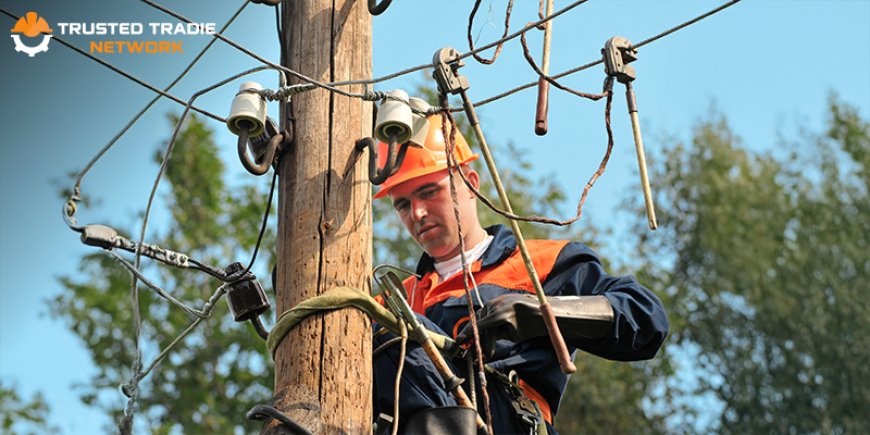
When a fuse blows or a switch sparks, many Aussie homeowners feel tempted to handle the repair themselves. After all, how hard can it be to change a light fitting or run a new cable? But here's the truth, DIY electrical work in Australia isnt just risky, it's illegal unless youre a licensed electrician. Understanding the electrical laws and tradie legalities that apply in each state is vital to staying safe and avoiding heavy penalties.
This guide breaks down the dangers, penalties, and legal consequences of doing unlicensed work and explains exactly why you need a licensed electrician for any electrical job, big or small.
Why Electrical Licensing Laws Exist in Australia?
Australia has some of the strictest electrical licensing laws in the world. And for good reason, electricity is dangerous. Faulty wiring, incorrect installations, or poor-quality repairs can lead to:
-
House fires
-
Electrical shocks or electrocution
-
Damage to appliances and electronics
-
Death in severe cases
Because of these risks, Australian states and territories have made it illegal for unqualified individuals to perform most electrical tasks. The laws are designed to protect not just the person doing the work, but anyone living in or visiting the home.
What Is Considered Electrical Work?
According to Australian law, electrical work includes (but isnt limited to):
-
Installing power points, light fittings, or ceiling fans
-
Replacing electrical wiring
-
Upgrading switchboards or circuit breakers
-
Installing or repairing electric hot water systems
-
Adding new electrical circuits
Even something as simple as changing a light switch may require a licensed professional, depending on the complexity of the job. Thats why the safest approach is to always assume electrical work requires a pro unless clearly stated otherwise.
What Are the Risks of DIY Electrical Work?
1. Serious Safety Hazards
Doing electrical work without proper training and tools can result in:
-
Electrical shocks (even from low-voltage systems)
-
Fires due to overheating wires or faulty connections
-
Injury to others who use the system later
Even if the DIY fix seems to work short-term, hidden faults could appear months later, putting lives and property at risk.
2. Void Insurance Claims
If you do unlicensed work and it causes damage or fire, your home insurance likely wont cover the costs. Most insurers clearly exclude cover for any DIY work not done by a licensed tradie. That means you're on the hook for thousands or even hundreds of thousands of dollars in repairs or liability.
3. Heavy Fines and Penalties
Every state and territory in Australia issues fines for illegal electrical work. These can be:
-
NSW: Up to $22,000 for individuals
-
VIC: $40,000+ for non-compliance
-
QLD: $100,000+ in fines and possible jail time
-
WA: Over $250,000 for companies employing unlicensed workers
If you're caught advertising electrical services without a license, or doing a job for a friend, you can still be fined. Even if no harm occurs, the act of doing the work is illegal.
4. Lack of Certification
Licensed electricians provide a Certificate of Compliance or Electrical Safety Certificate once a job is done. This proves:
-
The work meets national safety standards
-
Your installation is safe and legal
-
Youre covered if faults arise
DIYers cant issue this, leaving you without proof of safety and risking future issues when selling or renting the property.
What Are the Electrical Licensing Requirements?
To become a licensed electrician in Australia, a person must:
-
Complete a nationally recognised apprenticeship (typically 4 years)
-
Complete safety training modules
-
Pass trade exams and assessments
-
Hold current public liability insurance
-
Be registered with their state licensing body (e.g., NSW Fair Trading, VBA, Energy Safe Victoria)
Each state or territory has its own rules, but the principle is the same, you must hold a valid license to carry out electrical work legally.
Can a Handyman Do Electrical Work?
The short answer is no. Handymen and general tradies in Australia are not allowed to perform electrical jobs unless they also hold an electricians license. This includes:
-
Replacing powerpoints
-
Installing lighting
-
Fixing faulty wiring
Hiring an unlicensed handyman to save a few bucks could cost you much more in legal consequences and safety risks.
What Electrical Work Can You Do Legally?
While most electrical tasks are off-limits to DIYers, there are a few small jobs youre allowed to do, including:
-
Changing a light bulb
-
Installing low-voltage garden lighting (under 50V)
-
Replacing fuses (if you know what youre doing)
But anything involving fixed wiring or permanent fixtures must be done by a licensed electrician.
How to Check If Someone Is Licensed?
Before hiring an electrician, ask to see their license or check it through your local licensing authority:
-
NSW: Fair Trading online license check
-
VIC: Energy Safe Victoria database
-
QLD: Electrical Safety Office register
-
WA: Building and Energy WA website
A professional tradie will never hesitate to show you proof of qualifications, insurance, and their license number.
What to Do If Youve Already Done DIY Electrical Work?
If youve already done unlicensed electrical work at home, the best thing to do is:
-
Stop using the system or fixture immediately
-
Call a licensed electrician to inspect and fix any unsafe installations
-
Report the situation to your states electrical safety authority if necessary
Dont try to hide it, many electrical faults get discovered later during renovations, insurance inspections, or home sales, and could cause major headaches down the line.
Why Hiring a Licensed Electrician Is Worth It?
Choosing a licensed electrician means:
-
Safer installations that follow code
Full insurance protection for you and your home -
Peace of mind knowing the job is done right
-
Certificates that help with future home sales or rentals
Sure, you might pay more than doing it yourself, but its nothing compared to the cost of a fire, injury, or legal fine.
Trusted Tradie Tip
If youre unsure where to find a reliable electrician, platforms like Trusted Tradie Network make it easy to connect with licensed, insured tradies in Australia. You can check reviews, get quick quotes, and be confident that the person walking through your door is fully qualified.
Conclusion
DIY can be empowering, but when it comes to electricity, leave it to the pros. Electrical laws exist to keep you, your family, and your home safe. The risks of DIY electrical work far outweigh the money saved, and unlicensed work can leave you exposed to huge legal and financial consequences.
So next time your PowerPoint fails or your lights flicker, skip the screwdriver and call a licensed electrician. Its the smart and legal thing to do.