Smart Access Control System: Protect Your Property with Ease
Learn how an access control system enhances security and convenience. Discover types, benefits, tips, and FAQs in this complete guide for businesses and homes.

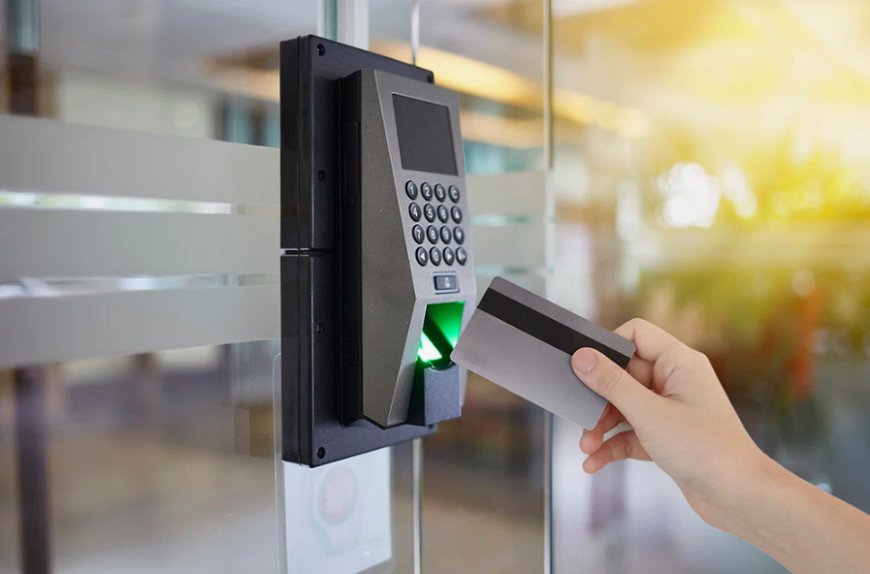
Security is no longer just about locks and keys. In todays world, businesses, buildings, and even homes rely on smarter and more efficient ways to manage who can enter specific areas. Thats where an Access Control System comes in. Whether you want to secure your office, control who enters your apartment complex, or keep sensitive data safe in a server room, an access control system offers a reliable and modern solution. In this blog, well walk you through what these systems are, how they work, their types, benefits, and how to choose the right one.
What Is an Access Control System?
An Access Control System is a security solution that manages and controls who can enter or exit a physical or digital space. Instead of using traditional keys, these systems rely on electronic credentialslike cards, PINs, or even biometricsto grant access.
This system tracks entry and exit activities, preventing unauthorized access while keeping a record of who went where and when. It's a vital part of modern building management, especially in commercial and high-security environments.
Types of Access Control Systems
There are several kinds of access control systems, each designed to meet different needs and budgets:
-
Discretionary Access Control (DAC): Gives the owner full control over who can access certain areas.
-
Mandatory Access Control (MAC): Access is controlled by a central authority, common in military and government facilities.
-
Role-Based Access Control (RBAC): Permissions are based on roles within an organization, like managers or IT staff.
-
Biometric Systems: Use fingerprints, facial recognition, or retina scans for secure entry.
-
Keycard and Fob Systems: The most common for offices and residential buildings.
Choosing the right Access Control System depends on your specific security needs and how many people require access.
Benefits of Installing an Access Control System
Investing in a good access control system offers many advantages beyond just keeping unwanted guests out:
-
Improved Security: Only authorized people can enter sensitive areas, reducing the risk of theft or harm.
-
Activity Tracking: Keep logs of who accessed which area and when.
-
No Lost Keys: Forget the hassle of replacing locksjust update permissions.
-
Remote Management: Control access from a central system or even your smartphone.
-
Scalability: Easily add or remove users as your organization grows.
An Access Control System gives you control, flexibility, and peace of mindwhether youre managing a small office or a large facility.
How to Choose the Right Access Control System
Selecting the right system involves more than just picking the latest tech. Consider these factors:
-
Size of Facility: Larger buildings may need more advanced systems with multiple access points.
-
Type of Users: Think about who will be accessing the spaceemployees, visitors, tenants?
-
Integration: Look for systems that can connect with other tools like security cameras or fire alarms.
-
Budget: Choose a system that meets your needs without exceeding your budget.
-
Support and Maintenance: Make sure the provider offers reliable service and regular updates.
A trusted security consultant can help design a custom Access Control System that fits your unique requirements.
Maintenance and Best Practices
Even the most advanced access control system needs regular upkeep to stay reliable and secure. Heres how to keep things running smoothly:
-
Regular Software Updates: Patch vulnerabilities and keep features up to date.
-
Routine Testing: Test entry points to ensure everything is functioning properly.
-
Audit Logs: Review user logs for unusual activity or unauthorized access.
-
Credential Management: Revoke access for former employees or expired users.
-
Training: Make sure all users understand how the system works and follow security protocols.
Taking care of your Access Control System ensures it stays effective and protects your premises 24/7.
FAQs
Q1: Can an access control system be used in homes?
A: Yes, many smart home systems now include access control for doors, gates, and garages.
Q2: Is biometric access better than keycards?
A: Biometric access is generally more secure, but keycards are often more convenient and cost-effective for large groups.
Q3: How much does an access control system cost?
A: Prices vary based on features and scale but typically range from $500 for small setups to $5,000+ for advanced systems.
Q4: Can I manage the system remotely?
A: Yes, most modern systems offer cloud-based or mobile access for real-time control and monitoring.
Q5: What happens during a power outage?
A: Many systems have battery backups or fail-safe/fail-secure modes to ensure continued access or safety.
Conclusion: Take Control of Your Security Today
An Access Control System is more than just a lockits a smarter way to protect your property, assets, and people. Whether you're managing a business, a school, or an apartment complex, having a system that tracks and controls access is a key part of modern security. With many options availablefrom keycards to biometric scannersyou can find a solution that fits your needs and budget.