Simple Solutions for Constipation and Piles Relief
Understand gentle ways to manage constipation and piles with helpful medicines, lifestyle tips, and natural relief methods shared in a simple, easy-to-read guide.

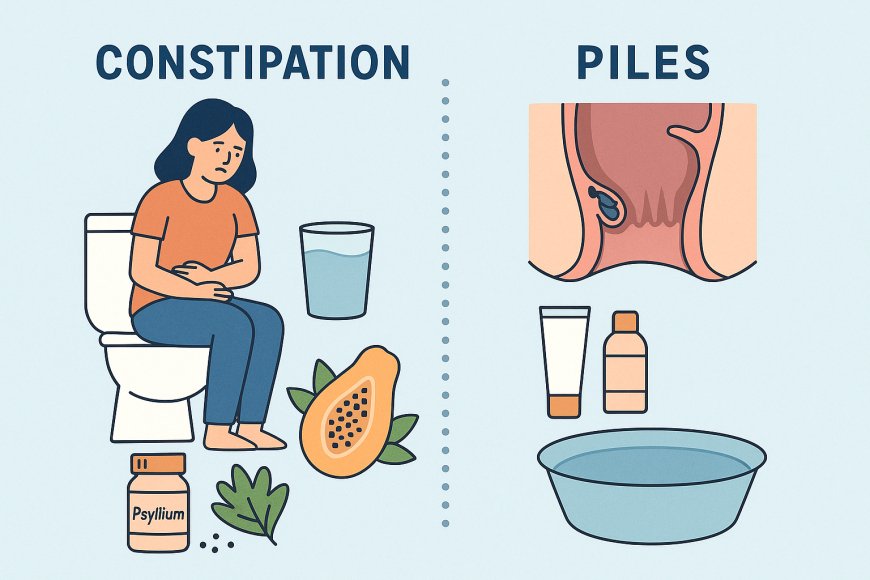
Constipation and piles are common health issues that affect people of all ages. Both conditions are often linked, as long-term constipation can lead to or worsen piles. When not treated properly, they can cause pain, discomfort, and impact daily life. This guide is written to help you understand simple and effective ways to deal with these problems using the best medicine for constipation and guidance for piles treatment in Pakistan. The focus will remain on natural, safe, and easy-to-follow approaches.
Understanding Constipation and Its Effects
Constipation happens when bowel movements become less frequent or difficult to pass. It can be short-term or last for weeks. Some of the common reasons include:
Causes of Constipation
-
Low fiber in diet
-
Not drinking enough water
-
Lack of physical activity
-
Ignoring the urge to pass stool
-
Use of certain medicines
-
Digestive system changes
Symptoms of Constipation
-
Hard, dry, or lumpy stool
-
Less than three bowel movements in a week
-
Feeling bloated or uncomfortable
-
Straining during bowel movements
Best Medicine for Constipation
When natural efforts like fiber and water dont help enough, mild medicine can support regular bowel habits. Below are some safe and commonly used options:
1. Bulk-Forming Laxatives
These help by adding volume to the stool, making it easier to pass. They work slowly but are safe for long-term use.
-
Examples:
-
Ispaghol (Psyllium Husk)
-
Wheat bran supplements
-
-
Benefits:
-
Helps build a routine
-
Gentle on the stomach
-
Suitable for regular use
-
2. Osmotic Laxatives
They draw water into the intestine, softening stool and making it pass with ease.
-
Examples:
-
Lactulose
-
Polyethylene Glycol
-
-
Benefits:
-
Effective for severe constipation
-
Works within 2448 hours
-
3. Stool Softeners
Useful when hard stools cause pain or bleeding.
-
Example:
-
Docusate Sodium
-
-
Benefits:
-
Eases stool movement
-
Helpful after surgery or childbirth
-
4. Stimulant Laxatives
These stimulate bowel muscles. They act faster but should not be used too often.
-
Examples:
-
Bisacodyl
-
Senna
-
-
Caution:
-
Only for short-term use
-
Can lead to dependency if overused
-
Natural Ways to Support Constipation Relief
Besides medicine, changing habits is important for long-term improvement. Here are a few simple tips:
Dietary Tips
-
Add fruits like papaya, guava, and prunes
-
Eat whole grains (brown rice, oats)
-
Include leafy vegetables
Hydration
-
Drink 810 glasses of water daily
-
Warm water in the morning may help
Physical Activity
-
Walk daily for 2030 minutes
-
Stretch and do gentle exercises
Bathroom Habits
-
Dont hold the urge to pass stool
-
Set a fixed time each day to sit on the toilet
Understanding Piles and Their Impact
Piles, also called hemorrhoids, are swollen veins in the lower rectum or anus. They are often caused by pressure due to straining, pregnancy, or chronic constipation.
Types of Piles
-
Internal Piles: Inside the rectum, often painless but may bleed
-
External Piles: Outside the anus, can cause pain or swelling
Common Symptoms
-
Itching or irritation
-
Bleeding during bowel movements
-
Pain or swelling around the anus
-
A lump near the anal area
Piles Treatment Guide
Mild to moderate piles can be managed with medicine, changes in habits, and supportive care. Below are the common options:
1. Oral Pain Relief
Used to reduce discomfort, especially during bowel movements.
-
Examples:
-
Paracetamol for pain
-
Anti-inflammatory medicines if needed
-
2. Topical Creams and Ointments
Help soothe itching, pain, and swelling.
-
Examples:
-
Hydrocortisone cream
-
Witch hazel-based ointments
-
Local anesthetic creams (lidocaine)
-
3. Suppositories
Inserted into the rectum to reduce swelling and ease pain from internal piles.
-
Examples:
-
Glycerin suppositories
-
Corticosteroid-based suppositories
-
4. Fiber Supplements
For those with long-term constipation that contributes to piles.
-
Examples:
-
Psyllium
-
Methylcellulose
-
Supportive Care for Piles
Along with medicine, gentle home care can speed up healing and prevent future flare-ups.
Sitz Baths
-
Sit in warm water for 1015 minutes
-
Soothes itching and swelling
-
Helps with hygiene
Ice Packs
-
Apply for a few minutes to reduce swelling
-
Do not apply directly; use a cloth wrap
Clean Toilet Habits
-
Use moist wipes or gentle cleaning
-
Avoid rough toilet paper
-
Avoid long sitting on the toilet
When to See a Doctor
While most cases of constipation and piles can be managed at home, you should talk to a doctor if:
-
There is heavy or ongoing bleeding
-
Pain is severe or worsening
-
Symptoms do not improve with simple treatment
-
There is weight loss or weakness
In some cases, further procedures may be needed, especially if piles are large, bleeding heavily, or not responding to regular care.
Preventive Habits for Both Conditions
By maintaining some daily practices, you can reduce the chance of constipation and piles returning.
Tips for Prevention
-
Eat high-fiber meals regularly
-
Drink water throughout the day
-
Stay active physically
-
Avoid straining while passing stool
-
Maintain healthy weight
These simple steps go a long way in managing your digestive health and staying free from pain or discomfort.
Conclusion
Both constipation and piles can disturb your routine and cause lasting discomfort if ignored. But with the right approach, you can manage and even prevent these issues. A mix of gentle medicines, fiber intake, good hydration, and daily care can bring relief. Recognizing early signs, acting quickly, and maintaining healthy habits are the best ways to improve your well-being.
By using the best medicine for constipation and following a proper piles treatment plan, many people regain comfort and control in their daily lives without the need for complex treatment.