Sickness Regulations & Exhortations By Muhammad al-Jibaly
Sickness: Regulations & Exhortations by Muhammad al-Jibaly is a utilitarian. Spiritually filling book that tackles the way Muslims should comprehend and handle sickness at a personal, legal.

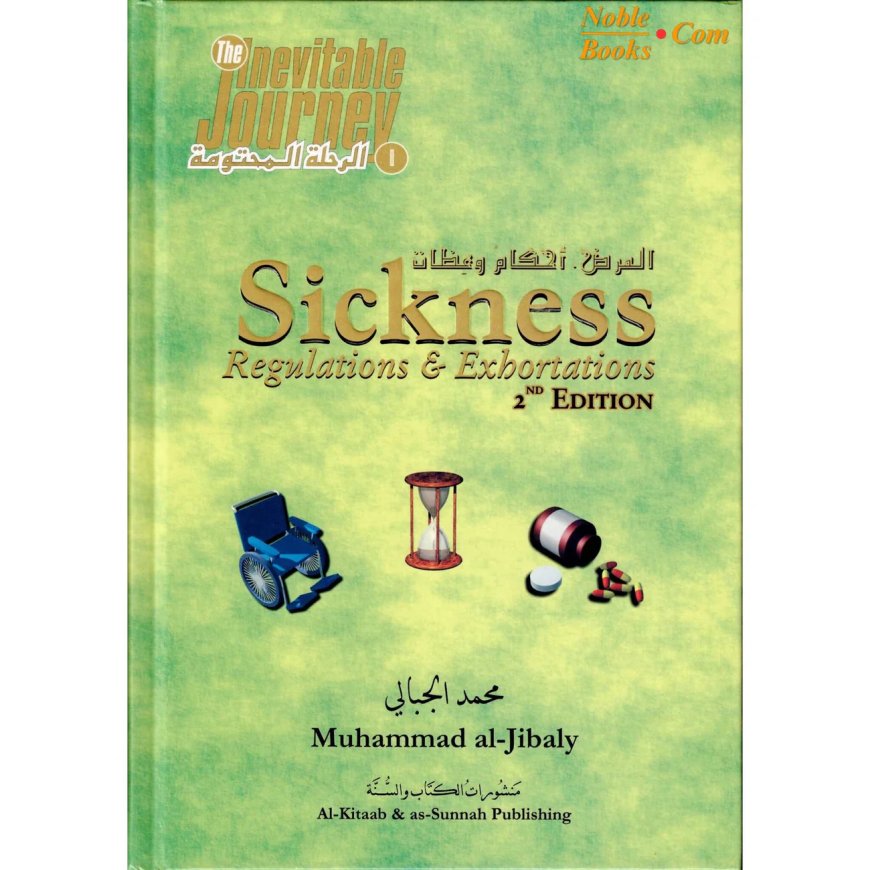
Sickness: Regulations & Exhortations by Muhammad al-Jibaly is a utilitarian. Spiritually filling book that tackles the way Muslims should comprehend and handle sickness at a personal, legal, and communal level. The book is grounded in Quranic guidance and true hadith. Provides the grounds for handling illness not just as a clinical occurrence. But as a test by Allah and chance for purification and development.
Fundamentally, the book is a matter of readjusting the mindset of the believer. It moves the attention from bodily frailty to spiritual vigor, from fear and despair to patience and reward. The tone of the author is strict but gentle, reminding readers that Islam has precise instructions on how to approach every human condition, including the ordeal of the body.
Illness as a Test andMercy
One of the main themes of the book is that illness isnt a punishment. Rather an act of divine mercy and expiation of sins. The Prophet Muhammad ? stated that no tiredness, illness, grief. Even worry befalls a believer except that Allah expiates some of their sins by it.
Al-Jibaly stresses that how one responds to sickness is important. If the test is received patiently, with thankfulness, and faith in Allah. Then it is a cause of great reward for the soul. If its received in despair or grumbling, it can cause bitterness and loss of the reward.
This vision is empowering. It reminds Muslims that no suffering is wasted and that even suffering is worthwhile when seen in the light of Islam.
Legal Rulings for theSick
The book is more than general advice and gives specific fiqh (jurisprudential) rulings for the sick. It specifies what alteration of worship is permitted or obligatory, such as:
Shortening or joining prayers. Praying sitting or lying down when one is unable to stand. Performing tayammum (dry ablution) if water is not available. Postponing or replacing missed fasts in Ramadan. Donating fidyah (feeding the poor) when fasting is hard forever. All these rulings are explained in detail and backed by evidences from the Quran and Sunnah.
The purpose is to ensure that the sick person does not feel guilty or pressed and their worship continues to be valid. Accepted despite suffering.Al-Jibaly also contains advice for caregivers, stressing that assisting the ill in fulfilling their religious duties without harm or hardship is itself an act of worship.
Du?, Ruqyah, and Seeking Treatment
The book offers instructions for performing du? (supplication) for healing. Such as prophetic supplications for certain ailments, morning and evening du?s, and holistic du?s for protection. It also describes the practice of ruqyah Islamic healing by Quranic recitation and makes it clear that although it is good. It should be performed in the right manner and without innovation or superstition.
Al-Jibaly strongly advocates medicine and professional treatment, dismissing the misconception that resorting to physicians indicates weak faith. The Prophet ? even promulgated seeking treatment, and numerous narrations affirm the employment of both spiritual and material means in healing. The work stresses balance accepting the fact that doctors administer the treatment, yet healing is from Allah alone.
Visiting the Sick: Etiquette andReward
Much of the book is given over to the Islamic practice of visiting the sick. It teaches that visiting the ill is a sunnah with immense reward a means of comforting, advising, and inspiring a fellow Muslim. The Prophet ? visited the sick frequently. Urged others to do so, calling it a right of one Muslim upon another.
The book describes how to make the visit useful: keeping it short, performing du?, giving words of encouragement. Being considerate of the patients condition. It also warns visitors against negative speech, avoiding pitying the ill in a manner that undermines their spirit, and instead giving hope, remembrance of Allah, and hopefulness.
In an era when hospital visits are awkward or even burdensome, this part of the book brings back a lost sunnah and shows how to be a comfort and healer to others.
Preparing for Death DuringIllness
Another important section of the book deals with the possibility of death during prolonged illness, and how both the patient and their family should prepare for it. Al-Jibaly handles this with compassion and clarity without panic, but with urgency.
The book explains the importance of:
Making tawbah (repentance) and asking for forgiveness. Settling debts, both financial and personal. Writing a will in accordance with Islamic guidelines. Encouraging the sick to say the shah?dah.Carrying out the ghusl, shrouding, and janazah prayer correctly at the appropriate time.
These sections are not ghastly. They are realistic. They enable Muslims to meet death in peace, dignity, and confidence, aware that they are doing their part and preparing for meeting their Lord.
A Resource for the Whole Community
Sickness: Regulations & Exhortations is not a book for the sick alone??its a manual for families, imams, teachers, caregivers, and healthcare professionals. It provides answers to the practical questions that come up during times of crisis: What do I say? What am I permitted? What does Islam want from me at this moment?
The book is best suited to be placed in hospitals, Islamic centers, family libraries, and as a part of Islamic studies courses. It brings back vital sunnahs that concern illness and reminds us that our deen has touched upon every situation.
Final Thoughts
Sickness: Regulations & Exhortations by Muhammad al-Jibaly is not merely a handbook of rules it is a spiritual lifeline in one of lifes most trying times. It reminds us that sickness is not weakness, but a trial by which great reward can be attained. It strengthens the sick, consoles the bereaved, and instructs the healthy how to serve and care for others with faith and love.
The book is a reminder that even when the body fails, the heart can become stronger. That through trials, we come closer to Allah. That every disease is a gateway either to recovery, or to the highest levels in the hereafter, based on how we react.