Role of shading devices in Dubai solar scale models
Architectural scale models in Dubai have become more advanced as energy efficiency and solar harvesting gain importance in building design. Given

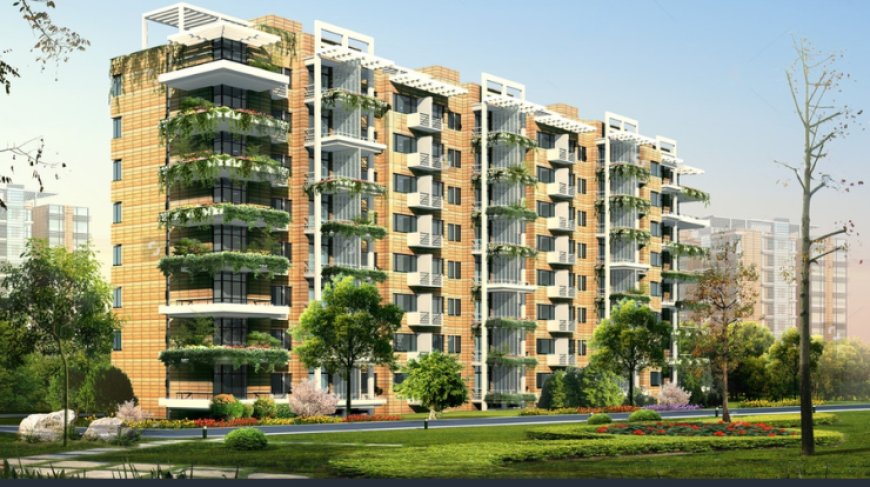
Architectural scale models in Dubai have become more advanced as energy efficiency and solar harvesting gain importance in building design. Given Dubais desert climate, characterized by high solar radiation, intense heat, and limited cloud cover, shading devices play a critical role in managing solar exposure.
These devices not only reduce interior heat gain but also complement solar harvesting systems by optimizing the balance between energy generation and thermal comfort. In architectural scale models, shading devices are carefully integrated to accurately represent how real-world buildings perform in desert environments. Their inclusion enhances the credibility of sustainable design strategies presented to clients, investors, and city authorities.
Understanding the Climate Context of Dubai
Dubais location in the Arabian Desert means long summers with extreme temperatures and high levels of solar irradiance. Buildings must protect occupants from overheating while capturing energy from the abundant sunlight.
The dual need for protection and energy harvesting requires precision in architectural detailing. Shading devices such as overhangs, brise-soleils, mashrabiya screens, fins, louvers, and pergolas are designed to block harsh sun angles while allowing daylight and airflow. When these features are included in scale models, they help communicate the effectiveness of climate-responsive design.
Visualizing Passive Cooling Strategies
One of the primary roles of shading devices in architectural scale models is to demonstrate passive cooling techniques. In desert climates, passive strategies are essential for reducing dependency on mechanical cooling. Shading elements are modeled to show how they minimize direct sun exposure on glass surfaces, particularly in areas with photovoltaic windows or solar-absorbing faades.
In Dubais scale models, these elements are built using thin, precise materials like laser-cut acrylic, resin, or composite sheets. They are sized and positioned based on real-world sun angle calculations, which reflect the seasonal shifts in solar altitude. When viewed under a simulated sun path or directional lighting, these shading devices cast scaled shadows on faades, illustrating how interior spaces are protected during peak sun hours.
Optimizing Solar Harvesting Through Selective Shading
While shading devices block heat, they must be designed carefully so they do not reduce the efficiency of solar panels or photovoltaic windows. In architectural scale models Dubai, shading elements are shown interacting with solar harvesting surfaces to demonstrate optimized design. For example, louvers may be angled in such a way that they block summer sun but allow winter light to reach the PV glass or roof-mounted panels.
Some models in Dubai use removable shading structures or adjustable panels that can be tilted manually. This helps stakeholders see how the building adapts to seasonal conditions. It also reflects how real buildings use smart shading systems that shift automatically based on sun position. These design features are especially important in commercial towers, cultural centers, and hotels where aesthetics and energy performance must align.
Enhancing Faade Articulation and Cultural Identity
Shading devices in Dubai are often inspired by regional architectural traditions, such as the mashrabiya. These intricate screens provide privacy, filter sunlight, and create distinctive faade patterns. In scale models, the mashrabiya and similar devices are crafted with detailed perforations to replicate their dual function of shading and decorative identity.
These features are important in luxury developments where visual appeal is as important as performance. By including finely detailed shading devices in scale models, developers can highlight how the building maintains cultural relevance while incorporating modern solar technologies. This enhances storytelling and supports approvals from local authorities.
Demonstrating Daylight Control and Glare Reduction
Another important role of shading devices in scale models is to demonstrate how buildings manage daylight and glare. Direct sunlight entering through large glass faades can cause discomfort and visual strain. Shading devices are used to diffuse this light. In the scale model, horizontal fins, light shelves, or angled louvers are added to show how daylight is redirected deeper into the space without overheating the interior.
Some models include clear or frosted acrylic behind these elements to simulate light behavior. When paired with artificial lighting that mimics the suns angle, the model can show how interior zones remain illuminated but protected. This simulation is helpful when presenting office spaces, shopping malls, or educational buildings where daylight quality is a key part of the user experience.
Highlighting Integration With Building-Integrated Photovoltaics
In Dubais solar-integrated architecture, shading devices are increasingly designed to double as energy-generating elements. For example, horizontal overhangs or canopy structures may be fitted with photovoltaic cells. In scale models, these dual-purpose shading devices are shown using tinted or textured surfaces that suggest their energy function.
This helps convey the idea that the building does not sacrifice energy generation for comfort, but instead merges both goals in a single design move. It supports Dubais smart city vision, where buildings are multifunctional, energy-efficient, and responsive to their environment.
Supporting Wind and Thermal Simulations in Scale Models
Shading devices also impact how wind and heat circulate around a building. In some advanced architectural scale models in Dubai, wind tunnel tests or thermal imaging simulations are conducted. The presence of shading structures in these models affects airflow patterns and surface temperatures. These effects are recorded and shared as part of the sustainability presentation.
By accurately modeling these devices, architects and engineers can test the effectiveness of their design before construction. This adds a research-driven layer to the model, making it a tool for both communication and technical evaluation.
Conclusion
Shading devices in architectural scale models Dubai incorporating solar harvesting systems serve multiple purposes. They reflect passive cooling strategies, enable smart integration with photovoltaic systems, and demonstrate climate-sensitive design for desert conditions. Through detailed materials, accurate sun angle modeling, and interactive components, these devices help communicate the buildings response to intense sunlight without sacrificing energy performance.
They also contribute to cultural identity, visual comfort, and occupant well-being. As Dubai continues to lead in sustainable architecture, the inclusion of shading devices in scale models ensures that every energy story is both visually compelling and technically grounded.