PRP skin rejuvenation takes platelets from your blood to help skin heal
PRP skin rejuvenation uses your own blood to fix this problem. PRP stands for Platelet-Rich Plasma. This treatment helps your body heal skin naturally without harsh chemicals.


PRP skin rejuvenation takes platelets from your blood to help skin heal. Doctors draw blood, concentrate the platelets, then put them back into your skin. This makes more collagen and fixes tired, dull skin with little recovery time.
Introduction
Do you see tired, dull skin when you look in the mirror? Your skin might look older than you feel. Stress, pollution, and time make skin look worn out.
PRP skin rejuvenation uses your own blood to fix this problem. PRP stands for Platelet-Rich Plasma. This treatment helps your body heal skin naturally without harsh chemicals.
Many people choose PRP over other treatments. Movie stars and regular people want natural results. This treatment is becoming popular for good reasons.
What Is PRP Skin Rejuvenation?
PRP uses healing cells from your own blood to fix skin problems. Your blood contains platelets that help wounds heal and repair damage.
Understanding How PRP Works
Your blood has tiny cells called platelets. These cells help cuts heal and fix damaged tissue. They contain special proteins called growth factors.
When you get hurt, platelets rush to heal the injury. PRP treatment makes this process stronger. Doctors collect platelets from your blood and make them more concentrated.
These concentrated platelets go back into your skin. They release growth factors that tell skin to start healing. This makes new collagen and improves blood flow.
Why PRP Is Different From Other Treatments
PRP uses your own blood so your body won't reject it. Unlike chemical peels or fillers, PRP works with your natural healing. There are no bad reactions because it's your own blood.
The platelets contain helpful compounds. These include growth factors that make skin cells work better. They help create new collagen which keeps skin firm and smooth.
How PRP Helps Tired, Dull-Looking Skin
Dull skin happens when your body makes less collagen as you age. Dead skin cells build up and blood flow slows down.
Fixing the Real Problem
Most skincare products only work on the surface. They make skin look better for a short time. PRP works deeper to fix the real problems.
The growth factors in PRP wake up sleeping skin cells. They help make new collagen and elastin. These proteins keep skin smooth, firm, and bouncy.
More collagen means fewer wrinkles and better skin texture. PRP fixes problems from the inside out. This creates lasting improvements instead of temporary fixes.
Getting Your Natural Glow Back
PRP makes more collagen and creates new blood vessels in skin. Better blood flow brings oxygen and nutrients to skin cells. This creates a healthy glow.
PRP speeds up how fast skin makes new cells. Old, damaged cells get replaced with healthy ones. This natural process slows with age but PRP speeds it up again.
When skin cells work better, your face looks brighter. The dull, gray look goes away. You get a natural glow from within.
The PRP Treatment Process
The PRP process has three main steps: consultation, blood preparation, and treatment. Each step is important for getting good results.
Your First Visit
Your first visit starts with a skin examination. A doctor will look at your skin and ask about your goals. They check if PRP is right for you.
The doctor examines skin texture and tone. They identify areas that need the most help. Not everyone can get PRP treatment safely.
You learn what to expect during this visit. The doctor explains how long results take to show. They tell you how to prepare for treatment.
Drawing and Preparing Your Blood
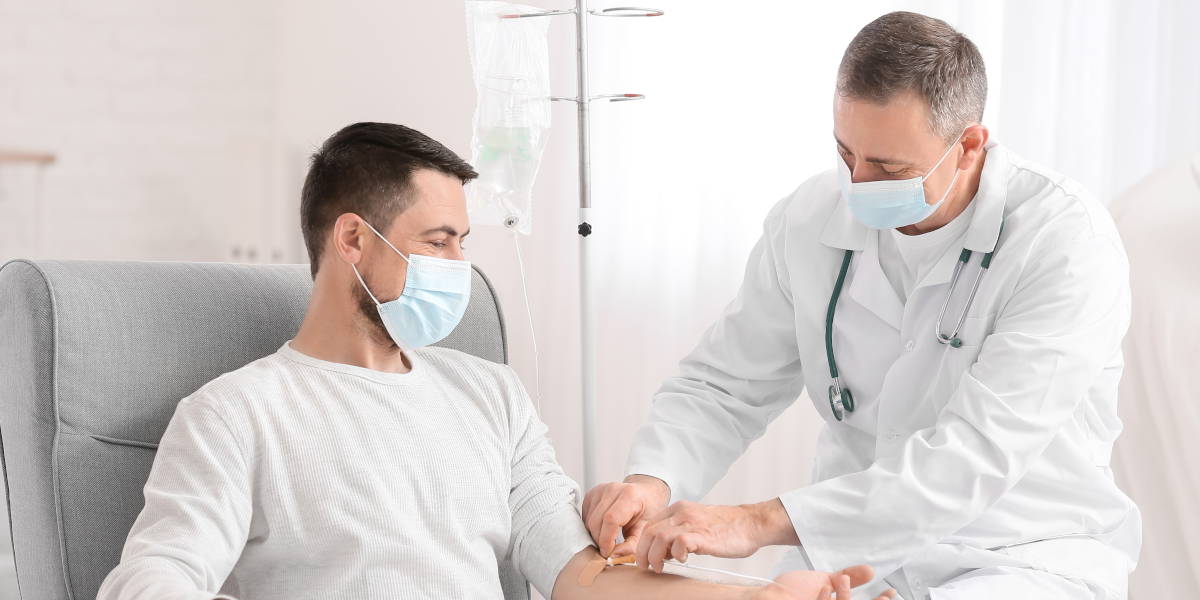
The treatment starts with drawing blood like a lab test. They need about two tablespoons of blood. This takes one minute and doesn't hurt much.
Your blood goes into a machine called a centrifuge. This machine spins fast to separate blood parts. The spinning takes 10 to 15 minutes.
The machine separates platelets from other blood parts. What's left is golden plasma rich in platelets. This has all the healing power your skin needs.
Getting PRP Into Your Skin
There are different ways to put PRP into skin. The method depends on what your skin needs. Each method works for different problems.
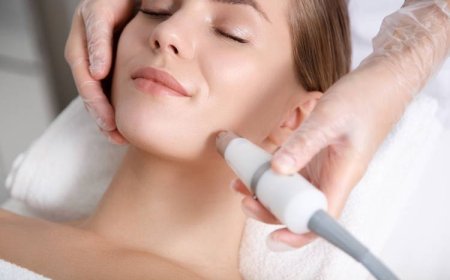
Microneedling with PRP is popular. Tiny needles make small holes in skin. Then PRP goes on top to get deeper into skin.
Some people get PRP injected into problem areas. This works for deep wrinkles or specific spots. The injections use very fine needles.
Benefits of PRP for Your Skin
PRP offers many skin benefits that develop over time. Results look natural because your body does the healing work.
What You'll Notice Right Away
Some people see improvements right after PRP treatment. Skin feels more hydrated and looks fuller. This happens because platelets contain natural moisturizers.
The best results come slowly over weeks and months. Your body needs time to make new collagen. Real healing takes time to show visible changes.
Your skin might look red for a few days. This is normal and shows healing is starting. Most people go back to work the next day.
Long-Term Skin Improvements
PRP makes skin texture smoother and more even. Pores look smaller and fine lines fade away. These changes happen as new collagen forms.
Skin tone becomes more uniform over time. Dark spots and uneven areas improve gradually. New, healthy skin cells replace old damaged ones.
Skin becomes firmer and more elastic. This comes from new collagen and elastin being made. Skin bounces back better when touched.
Why Results Look Natural
PRP results look natural because they are natural. Your body improves the skin so there's no fake look. Changes happen gradually like natural healing.
People notice you look better but can't tell why. This is different from sudden changes that look obvious. The improvements blend with your natural features.
Who Should Consider PRP Treatment
PRP works best for people with early to moderate aging signs. It helps people in their late twenties through sixties get better skin.
Best Age and Skin Types
Younger people use PRP to prevent aging. Older people might combine it with other treatments. PRP helps dull, tired-looking skin the most.
The treatment works on all skin colors and types. Unlike lasers, PRP won't cause color changes. This makes it safe for everyone to use.
People with fine lines and uneven texture see good results. Those with minor volume loss also benefit. PRP works for many skin problems.
Health Requirements
You need good health for PRP treatment. Since it uses your blood, you need normal blood clotting. People with blood disorders might not qualify.
People taking blood thinners might need to stop them temporarily. Only do this with doctor approval. Never stop medications without medical advice.
Active infections or certain diseases prevent PRP treatment. Pregnant or nursing women should wait. Your doctor reviews your health history carefully.
What Results to Expect and When
Results from PRP appear gradually over several months. Understanding the timeline helps set realistic expectations for improvement.
The Timeline for Improvement
Week one to two shows better hydration and slight texture improvements. Some swelling or redness is normal but goes away quickly. These are early signs of healing.
Week three to four brings real improvements. New collagen starts forming and skin looks firmer. The brightness begins to show during this time.
Month two to three shows more obvious changes. Skin texture improves noticeably and fine lines start fading. Most people see clear differences by now.
Why Results Vary Between People
Age affects how well PRP works. Younger people often see faster and better improvements. Their bodies heal more quickly than older people.
Overall health impacts results too. People who eat well and exercise respond better. Good circulation helps deliver growth factors to skin cells.
Most doctors recommend two to three treatments spaced monthly. After that, maintenance treatments every six months help keep results. Some people need more treatments than others.
How PRP Compares to Other Treatments
PRP offers advantages over many other skin treatments. It works naturally with your body's healing processes instead of against them.
PRP vs Chemical Peels
Chemical peels remove damaged skin layers to show fresh skin. They work well for surface problems like sun spots. However, they don't build new collagen from within.
PRP stimulates skin to heal itself from deeper levels. It addresses structural problems that peels can't fix. Many people combine both treatments for better results.
PRP is gentler than chemical peels with less peeling and downtime. People with sensitive skin often prefer PRP. There's less risk of skin damage or reactions.
PRP vs Microneedling Alone
Microneedling creates tiny injuries that trigger collagen production. It works but is limited to this one benefit. Adding PRP makes microneedling much more powerful.
Growth factors in PRP speed up healing from microneedling. They provide additional benefits that needles alone can't give. This combination is very popular with patients.
PRP with microneedling gives better results than either alone. The needles help PRP go deeper into skin. The PRP makes healing faster and more complete.
PRP vs Laser Treatments
Laser treatments use light energy to stimulate collagen and fix problems. They work well but often need more recovery time. Some lasers cause color changes in darker skin.
PRP offers similar benefits with less risk and downtime. It works safely on all skin colors without complications. The natural approach appeals to many people.
Many choose PRP because it feels more natural. There are no concerns about laser damage or side effects. The worst that happens is minor bruising.
Safety and Side Effects
PRP has an excellent safety record because it uses your own blood. Your body can't be allergic to itself, which eliminates most treatment risks.
Why PRP Is Very Safe
The procedure is minimally invasive with no cutting required. Most people tolerate it well with minimal discomfort. Serious complications are extremely rare with trained professionals.
Since PRP uses your own blood, rejection is impossible. This eliminates risks that come with foreign substances. The natural approach makes it very safe.
Common Temporary Effects
Most people have only minor, short-lived side effects. These are normal signs that healing is beginning. They go away within days.
Mild swelling at treatment sites is common. This usually disappears within two days and ice helps. Some bruising might occur but fades within a week.
Redness at treatment areas is normal and shows increased blood flow. It usually goes away within hours but might last days. Tenderness is possible but mild.
Rare Problems
Infection at injection sites is possible but rare. Following aftercare instructions prevents most infections. Proper sterile technique during treatment is important.
Nerve damage is extremely rare and usually temporary. Choosing an experienced practitioner reduces this tiny risk. Some people might not respond well to treatment.
Cost and Value of PRP Treatment
PRP is a mid-range cosmetic investment that costs more than skincare but less than surgery. Prices vary by location and practitioner experience.
What PRP Treatments Cost
Most treatments range from $500 to $1,500 per session. The cost depends on treated areas and technique used. Urban areas often have higher prices than smaller cities.
Many practices offer package deals for multiple sessions. This reduces the per-treatment cost significantly. Some provide financing options to make treatment affordable.
Comparing Value to Other Options
PRP effects last 12 to 18 months or longer. This might offer better value than treatments needing frequent touch-ups. The long-lasting results justify the cost.
Botox costs less initially but needs repeating every few months. Over time, PRP might be more economical. Plus, PRP improves actual skin health.
PRP's natural approach can reduce need for expensive skincare products. Better skin health means spending less on creams and serums. The investment pays off over time.
Making Treatment Affordable
Many practices offer payment plans to spread costs over time. This makes PRP accessible to more people wanting natural improvement. Ask about financing during consultation.
Some places offer combination packages with other treatments. While costing more upfront, this provides better overall value. Package deals often save money compared to individual treatments.
Getting the Best Results from PRP
Preparing your body for PRP treatment improves your results. Good nutrition and healthy habits support healing and collagen production.
Preparing for Treatment
Eat plenty of protein, vitamin C, and zinc before treatment. These nutrients support healing and collagen production. Stay well hydrated with eight glasses of water daily.
Protect skin from sun damage before treatment with daily sunscreen. Avoid excessive sun exposure because damaged skin responds poorly. Review medications with your practitioner as some need temporary stopping.
Taking Care of Skin After Treatment
Use gentle, fragrance-free skincare products for the first week. Avoid harsh scrubs or strong chemicals that irritate healing skin. Sun protection is crucial after treatment.
Keep skin moisturized with gentle, hypoallergenic products. Avoid products with alcohol or strong fragrances. Attend all follow-up appointments as scheduled for monitoring.
Lifestyle Habits That Help
Regular exercise improves circulation throughout your body. Better blood flow helps deliver nutrients to healing skin. Getting enough sleep is essential for repair and regeneration.
Managing stress helps your body heal more effectively. Chronic stress slows healing and speeds aging. Try relaxation techniques like meditation or yoga for better results.
Conclusion
PRP skin rejuvenation offers a natural way to refresh tired, dull skin. This treatment uses your body's healing power to create real improvements. Unlike harsh chemicals, PRP works safely with natural processes.
Results develop gradually over months as your body creates new collagen. This timeline ensures improvements look natural and continue getting better. PRP addresses root causes rather than just covering problems.
For people seeking safe, effective skin improvement, PRP provides an appealing solution. It works with your body instead of against it. The minimal downtime and natural results fit busy lifestyles perfectly.