How PPRC Pipes Help Prevent Water Contamination in Plumbing Systems
Discover how PPRC pipes prevent water contamination with corrosion resistance, leak-proof joints, and hygienic quality for safe plumbing systems.

I. Introduction
Clean drinking water is non-negotiable in residential, commercial, and industrial settings. Unfortunately, many plumbing systems still rely on outdated materialssuch as corroded metal or unprotected PVCthat compromise water purity and public health. PPRC pipes (Polypropylene Random Copolymer) are emerging as a powerful solution to these challenges. This post examines how their innovative material properties and engineering design contribute to preventing contamination, thereby ensuring safe and reliable plumbing systems. We'll cover the science behind PPRC, practical applications, and frequently asked questions.
II. Understanding Water Contamination in Plumbing Systems
Water contamination often arises from:
-
Corroded metal pipes (iron, copper, galvanized steel) that leach harmful metals into water
-
Microbial growth in stagnant or degrading pipe interiors
-
Leakage and backflow, which introduce soil, pollutants, or sewage
-
Plasticizers or adhesives in improperly glued joints
-
Biofilm build-up, which harbors bacteria over time
Consequences include unpleasant taste or odor, color change, and serious health risks like Legionella or lead poisoning. Pipe material and installation quality are key to controlling contamination. PPRC pipes address these issues directly with non-reactive, leak-free, and hygienic performance.
III. What Makes PPRC Pipes a Safe Choice?
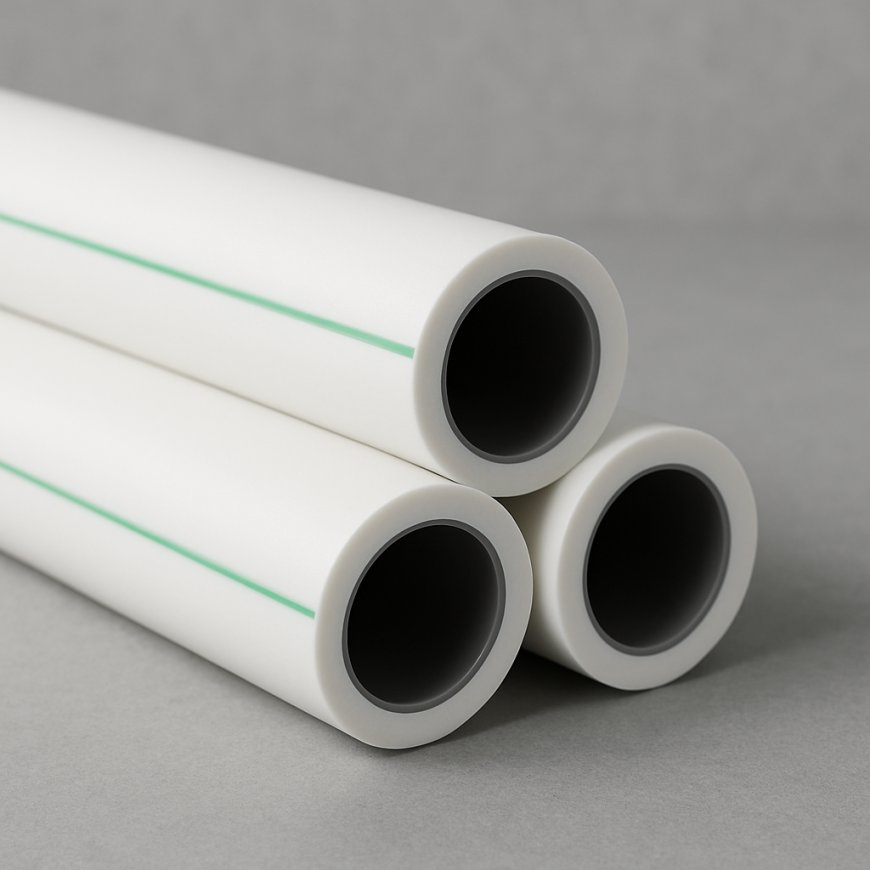
PPRC pipes are crafted from non-toxic Polypropylene Random Copolymer, designed to safeguard potable water. Their core safety features include:
-
BPA-free composition that prevents chemical leaching
-
Smooth, inert interior that resists biofilm, scaling, and bacterial growth
-
Complete corrosion resistance, preventing dissolved metals
-
Compliance with standards like DIN?8077/8078 and ISO?15874 for potable water use
-
Heat resistance, so they handle disinfected hot water (up to 95C) without degrading
These built-in safeguards make PPRC pipes ideal for clean water distribution across various environments.
IV. Leak-Proof Installation: A Key to Preventing Contaminants
Installation is often as critical as material choice. With PPRC pipes, joints are created through heat fusion welding, which offers:
-
Monolithic, seamless connectionsno glues or threads
-
No rubber gaskets or solvents, eliminating common contamination sources
-
Highly resistant to micro-cracks, even under thermal or pressure stress
-
Enhanced protection against external pollutants like soil, sewage, or rodents
This installation method reduces even microscopic pathways for contamination, ensuring long-term plumbing integrity.
V. Chemical and Microbial Resistance in PPRC Pipes
PPRC pipes are chemically inert and biologically resistant:
-
No interaction with disinfectants (e.g., chlorine), maintaining water's safety and taste
-
Absolutely no plasticizer or metal leaching, preserving water purity
-
Corrosion-free properties: No rust, no iron flavor, no heavy metal contamination
-
Anti-biofilm interior: Smooth surfaces discourage bacterial growth and biofilm accumulation
These qualities make them suitable for systems with high hygiene demandshospitals, food processing plants, and residential water lines.
VI. Durability and Maintenance: Less Risk Over Time
Longevity translates to sustained water quality:
-
50+ year lifespan, drastically reducing system replacements
-
Smooth boron-free surfaces maintain flow and reduce sediment-related stagnation
-
Fusion joints dont degrade like glued or threaded connectors
-
Resistance to extreme temperatures keeps integrity under hot water cycles
-
Low maintenance means fewer disruptions, ensuring consistent, safe water delivery
By investing in PPRC pipes, buildings earn decades of contaminant-free plumbing without the recurring risks of leakage or corrosion.
VII. Applications Where Water Safety Is Critical
PPRC pipes are trusted in environments demanding purity:
-
Residential Drinking Water Systems Safety for kitchen faucets and bathroom water
-
Hospitals & Healthcare Facilities High-pressure, sterile water lines for sterilization
-
Schools & Childcare Facilities Clean supply vital for childrens health
-
Food & Beverage Industry Prevents contamination in production lines
-
Laboratories & Pharma Plants Meets stringent water purity standards
These diverse use cases underscore PPRCs reliability and compliance with strict hygiene requirements.
VIII. PPRC Pipes vs. Traditional Pipe Materials
|
Feature |
PPRC Pipes |
GI Pipes |
PVC Pipes |
Copper Pipes |
|
Corrosion Resistance |
? 100% |
? Rusts/Leaches |
? Moderate |
? Oxidizes |
|
BPA & Plasticizer Free |
? Yes |
? No |
? May Leach |
? Yes |
|
Smooth Internal Surface |
? Yes |
? Roughens |
? Yes |
? Yes |
|
Anti-biofilm |
? Yes |
? No |
? No |
? Limited |
|
Lifespan |
50+ years |
1015 years |
1020 years |
2030 years |
PPRC pipes consistently outperform traditional materials, delivering clean water and low maintenance into the future.
IX. Regulatory Approvals and Standards
To ensure water safety, PPRC pipes meet international benchmarks:
-
DIN 8077/8078, ISO 15874: Extensive testing for potable water applications
-
WRAS-approved (UK) and other certifications ensure global legitimacy
-
Adopted by municipal and national infrastructure programs
-
Leading manufacturers like Adamjee Dura Built offer certified optionsPPRC pipes in Pakistanto meet local standards
High-quality standards translate to confidence in performance and safety.
X. Conclusion and Call to Action
PPRC pipes represent a proactive solution to common water contamination risks. From seamless joints to chemical and microbial resistance, they tackle every weak point in conventional plumbing systems. For decision-makers in the infrastructure and construction sectors, shifting to PPRC ensures long-term safety, compliance, and reliability.
Upgrade your next plumbing project with PPRC pipes and fittings price in Pakistan by choosing certified suppliers who prioritize health, durability, and compliance.
FAQs
Q1: Are PPRC pipes safe for drinking water?
Yes. They are BPA-free, non-toxic, and comply with potable water standards. Their smooth and inert surface ensures your water remains uncontaminated.
Q2: Can PPRC pipes prevent biofilm buildup?
Absolutely. Their non-porous internal surface prevents microbial colonization and biofilm, critical in systems requiring hygiene.
Q3: How do PPRC pipes compare to copper for water safety?
While copper resists bacterial growth, it can leach copper ions. PPRC avoids metal leaching and maintains purity with no additives.
Q4: Where can I check the PPRC pipes and fittings price in Pakistan?
Top-quality suppliers like Adamjee Dura Built provide transparent pricing and certified PPRC pipes and fittings, ensuring safety and affordability.
Investing in PPRC pipes is not just a technical upgradeits a strategic commitment to delivering clean, safe water for generations.