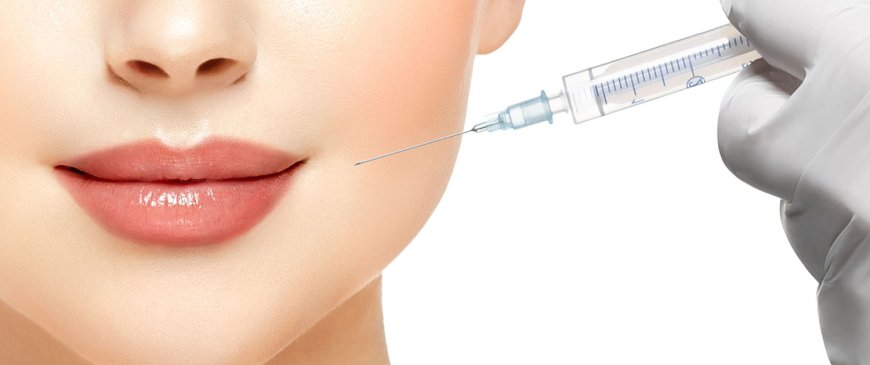
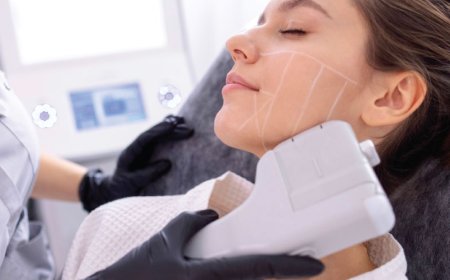
Dermal fillers have become a go-to solution for individuals seeking a non-surgical way to combat signs of aging, restore facial volume, and enhance their natural features. These injectable treatments offer immediate results with minimal downtime, making them an attractive option for many. However, one of the most frequently asked questions from prospective patients is: How long do dermal fillers last? Understanding the longevity of fillers is essential for setting realistic expectations and planning future treatments. If you're considering Dermal Fillers in Islamabad, this guide provides a comprehensive overview of how long different types of fillers typically last and what factors influence their durability.
What Are Dermal Fillers?
Dermal fillers are gel-like substances injected beneath the skin to add volume, smooth wrinkles, and enhance facial contours. Unlike Botox, which relaxes muscles to reduce dynamic wrinkles, fillers address static lines and volume loss that come with aging. Fillers are commonly used on the cheeks, lips, jawline, nasolabial folds, under-eye hollows, and even the hands.
The most popular fillers are made from hyaluronic acid (HA), a substance naturally found in the body that attracts water and keeps the skin plump and hydrated. Other fillers are composed of materials like calcium hydroxylapatite (CaHA), poly-L-lactic acid (PLLA), or polymethylmethacrylate (PMMA), each with unique longevity and applications.
Factors That Affect How Long Dermal Fillers Last
The duration of results varies widely based on several factors, including:
1. Type of Filler Used
Different filler formulations degrade at different rates. Some fillers are designed for short-term enhancement, while others are formulated to last much longer and even stimulate collagen production.
2. Treatment Area
The longevity of a filler often depends on the area it is injected into. High-movement areas like the lips and mouth tend to metabolize fillers more quickly than areas like the cheeks or temples.
3. Metabolism and Lifestyle
Each individual metabolizes fillers differently. People with higher metabolic rates may notice their fillers dissolving more quickly. Factors like smoking, frequent exercise, and sun exposure can also reduce the lifespan of the filler.
4. Volume and Injection Technique
The amount of product injected and the skill of the injector can affect how long the results last. A skilled practitioner can ensure even distribution and longer-lasting outcomes.
5. Product Brand and Density
Thicker, more cohesive fillers typically last longer and are used for deeper injections, while lighter fillers designed for surface-level treatments may have a shorter duration.
Common Types of Dermal Fillers and Their Longevity
Hyaluronic Acid (HA) Fillers
HA fillers are among the most frequently used worldwide due to their safety, reversibility, and natural look. They are ideal for treating fine lines, lips, and areas that require hydration and volume.
-
Brands: Juvederm, Restylane, Belotero, Teosyal
-
Duration: 6 to 18 months depending on the specific product and treatment area
-
Typical Uses: Lips, nasolabial folds, tear troughs, cheeks, chin
Thicker HA fillers used in the cheeks or jawline tend to last longerup to 18 monthswhile lighter formulas for lips or under eyes usually last around 6 to 12 months.
Calcium Hydroxylapatite (CaHA) Fillers
CaHA is a denser material composed of calcium particles suspended in a gel. It provides more structure and is typically used for deeper wrinkles and volume loss.
-
Brand: Radiesse
-
Duration: 12 to 18 months
-
Typical Uses: Cheeks, jawline, nasolabial folds, hands
This filler also stimulates the bodys natural collagen production, leading to longer-lasting rejuvenation even after the filler itself is absorbed.
Poly-L-lactic Acid (PLLA) Fillers
PLLA fillers work differently by gradually stimulating collagen production. They do not provide immediate volume but result in more natural-looking, long-term improvements.
Results appear gradually over several weeks to months, requiring a series of treatments for best results.
Polymethylmethacrylate (PMMA) Fillers
PMMA fillers are semi-permanent and consist of tiny microspheres suspended in collagen gel. They offer structural support and are not easily absorbed by the body.
These fillers require a high level of expertise and precision, as results are long-lasting and not easily reversed.
Treatment Area vs. Filler Longevity
Heres a quick reference for how long fillers typically last in various areas of the face:
| Treatment Area |
Filler Type |
Expected Duration |
| Lips |
Hyaluronic Acid |
6 to 12 months |
| Cheeks |
HA or CaHA |
12 to 18 months |
| Nasolabial Folds |
HA, CaHA, PMMA |
9 months to 5 years |
| Under Eyes |
Soft HA (e.g., Belotero) |
6 to 12 months |
| Chin & Jawline |
HA, CaHA, PLLA |
12 to 24 months |
| Temples |
HA or PLLA |
12 to 24 months |
Tips to Make Your Fillers Last Longer
Although dermal fillers are not permanent, several strategies can help prolong their effects:
-
Follow post-treatment care as advised by your provider
-
Avoid excessive sun exposure, which can accelerate filler breakdown
-
Stay hydrated and maintain a healthy diet
-
Avoid smoking and limit alcohol consumption
-
Use quality skincare products to support your skin health
-
Schedule maintenance appointments before the filler fully wears off to maintain results with smaller touch-ups
When to Schedule Touch-Ups
Most people opt for follow-up treatments every 6 to 12 months, depending on the filler type and personal preferences. Rather than waiting for the results to fully fade, touch-ups help maintain a consistent appearance and may reduce the volume of product needed over time.
Your aesthetic provider can develop a personalized treatment schedule to suit your goals and facial anatomy. Regular assessments ensure optimal outcomes with minimal disruption.
Is There a Permanent Solution?
While some fillers like PMMA are marketed as semi-permanent, its important to understand that permanent fillers come with increased risk. They are harder to correct and may not adapt well to natural aging. Most professionals recommend starting with temporary fillers to evaluate the results and tolerance before considering longer-lasting options.
Conclusion
Dermal fillers offer a flexible and effective solution for facial rejuvenation, with results that can last from several months to several years depending on the product and application. Choosing the right filler type, skilled injector, and following a consistent aftercare routine are crucial in maximizing the benefits of this treatment. Whether youre new to cosmetic injectables or looking to enhance previous results, understanding the duration of dermal fillers helps in planning your aesthetic journey wisely.
If youre ready to experience natural-looking, long-lasting results, the SKN Cosmetics clinic provides expert care and a range of premium filler options tailored to your specific needs. As a leading provider of Dermal Fillersin Islamabad, SKN Cosmetics combines advanced techniques with personalized care to help you look and feel your best with confidence.