From Sea to Storage: The Ultimate 2025 Guide to Shipping Containers

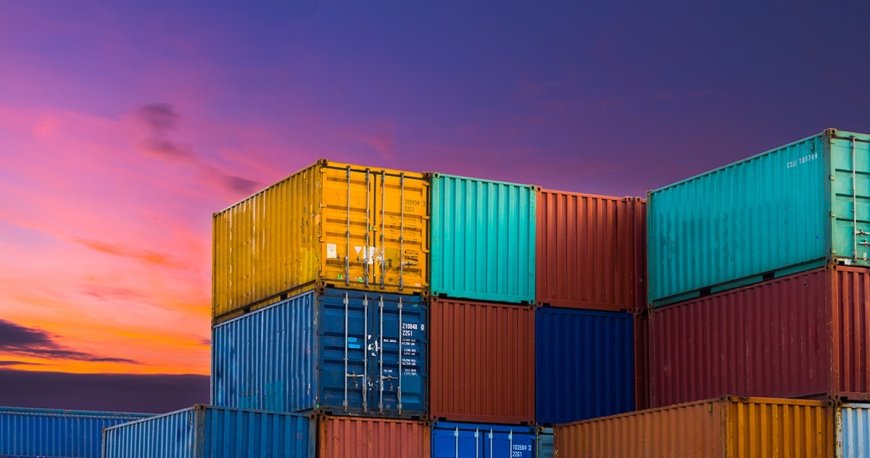
Shipping containers are a cornerstone of global trade, innovation, and even architecture. Originally created to transport goods across the seas efficiently, these steel giants are now being repurposed into homes, offices, pop-up stores, and storage units. Their strength, durability, and versatility make them a key asset across various industries. Whether youre looking to purchase a container for commercial use or exploring container-based construction, this guide covers everything you need to know about shipping containers in 2025.
The Evolution of Shipping Containers
The story of the modern shipping container began in the 1950s when the need for a standardised, stackable cargo box revolutionised how goods were shipped globally. These containers eliminated the need for unpacking and repacking goods when moving them between ships, trucks, and trains. This intermodal approach reduced shipping costs dramatically and sped up delivery times. Over the years, their use expanded from logistics to countless creative and industrial applications.
Today, containers are not just about freighttheyve become essential storage and building blocks for a wide range of industries, particularly in regions like Australia where remote work sites, weather resilience, and space-saving solutions are highly valued.
Common Container Sizes
While there are multiple container sizes available, three main ones are widely used across industries: 10-foot, 20-foot, and 40-foot containers. The 10-foot container is ideal for compact storage solutions or restricted spaces. The 20-foot unit is a general-purpose standard used extensively in freight and static storage. For larger storage or building projects, 40-foot containers are preferred due to their higher capacity.
Theres also the high-cube variation of these containers, which adds extra heightapproximately one additional footmaking them perfect for users who need more vertical space, such as in container homes or tall equipment storage.
Specialised Types of Containers
In addition to standard models, there are specialised shipping containers designed to handle specific tasks:
-
High-Cube Containers provide extra headroom and are perfect for stacking or larger items.
-
Refrigerated Containers (Reefers) are equipped with cooling systems, used for transporting perishable goods or pharmaceuticals.
-
Open-Top Containers allow cargo to be loaded from the top using cranesideal for items like heavy machinery or construction materials.
-
Side-Opening Containers offer easier access to wide or awkward items, opening along the side rather than just the end.
-
Dangerous Goods Containers come with safety features for storing chemicals and hazardous substances in line with regulatory requirements.
These variants ensure users can select the container type that best suits their specific project or transport need.
Grades and Conditions
Shipping containers are categorised based on their condition and usability. Understanding these grades is essential when deciding whether to buy or rent a container.
-
New or One-Trip Containers are units that have only made a single trip from the manufacturer and are essentially in brand-new condition. These are great for long-term use and offer maximum durability.
-
Cargo-Worthy or A-Grade Containers have seen some use but are still fit for international shipping and structural projects. They are usually wind and water-tight and structurally sound.
-
Used or B-Grade Containers are older units that may have cosmetic damage like rust or dents. While they may no longer be fit for international transport, they are often suitable for static storage or construction when properly maintained.
When buying, always inspect or request detailed photos of the container, including the floor, roof, and door seals. If you're planning to use it for export, check for a valid CSC (Container Safety Convention) plate.
Popular Uses of Shipping Containers
Though originally designed for cargo, shipping containers now play a role far beyond freight.
-
Storage: Containers offer secure, portable, and weatherproof storage for construction sites, farms, warehouses, and residential properties.
-
Construction and Architecture: Modular buildings made from containers are gaining popularity for their speed of construction, eco-friendliness, and cost efficiency. From cafes to emergency shelters, they offer a sustainable building solution.
-
Mobile Workspaces: Containers are now being used as site offices, mobile medical units, and temporary classrooms due to their adaptability and mobility.
-
Creative Projects: Artists and designers have turned containers into galleries, exhibition spaces, and performance stages, highlighting their aesthetic potential.
-
Emergency and Disaster Relief: Their durability and mobility make containers ideal for deploying temporary housing or medical units during crises.
What to Consider Before Buying or Hiring
There are several factors to consider when deciding whether to purchase or rent a shipping container:
-
Intended Use: Short-term or one-off needs often make hiring more economical. Long-term useespecially for modificationsjustifies purchasing.
-
Size and Access: Consider the space available at your site and the delivery logistics. Larger containers may require crane assistance or side-loader trucks.
-
Condition: New containers cost more but offer longevity and fewer maintenance concerns. Used containers are budget-friendly but may need refurbishing.
-
Site Requirements: Ensure your site is level and accessible for delivery. Also, check if any council permits are needed for static use or conversions.
-
Ventilation and Insulation: To store sensitive equipment or paperwork, you might need additional vents or insulation to prevent condensation and mould.
-
Security Features: Lockboxes, heavy-duty padlocks, and electronic access systems can help safeguard your contents.
-
Customisation: If using the container for non-traditional purposes (like a caf or office), check with suppliers about modification services such as window fitting, partition walls, electrical wiring, and more.
Environmental and Regulatory Considerations
Shipping containers are increasingly part of the global conversation on sustainability. Reusing containers for storage or construction reduces the need for new building materials and prevents waste. Furthermore, the move toward eco-friendly paints, coatings, and refrigerant gases is helping reduce the environmental impact of container use.
There are also international and local regulations around container transport, fumigation, and safety certifications. Staying informed about these ensures compliance and safer usage, especially for business or export use.
Looking Ahead: Trends in Container Use
The future of shipping containers is both high-tech and green. Emerging trends include:
-
Smart Containers: These are fitted with sensors to monitor temperature, location, and humidity in real-timegreat for cold chain logistics and sensitive shipments.
-
Hydrogen-Powered Reefers: New reefer models are being tested with zero-emission hydrogen fuel cells to replace diesel power.
-
Reconfigurable Structures: Designers are now exploring relocatable container buildings that can be assembled, disassembled, and reused for different purposes, reducing demolition waste.
Final Thoughts
Shipping containers have become indispensable assets in both trade and infrastructure. Whether you're shipping goods, storing tools, or building a modular home, there's a container that suits your needs. With advancements in design, sustainability, and technology, containers will continue to play a pivotal role in transport, construction, and beyond.
If you're considering investing in a container, take the time to assess your purpose, space, and budget. A well-chosen unit can serve you for decades, offering unmatched versatility and value.