Everything You Need to Know About Leak Detection and Prevention
Learn how leak detection can help you find hidden water leaks before they cause serious damage. Discover signs, methods, and prevention tips in this complete guide.

Water is essential to our lives, but when it leaks where it shouldn't, it can lead to serious problems. From high water bills to mold growth and structural damage, water leaks can quietly cause thousands of dollars in repair costs. Thats why leak detection is not just a serviceits a critical part of home maintenance that protects your property and your wallet.
In this guide, well explore how leaks happen, the signs you shouldn't ignore, different detection methods, and what to do once youve found a leak. Whether youre a homeowner, renter, or property manager, understanding how leak detection works can save you from a lot of trouble in the future.
Why Leak Detection Matters
Leaks are often silent. They hide behind walls, under floors, and beneath concrete, causing damage long before you even notice a problem. Unattended leaks can weaken foundations, encourage mold growth, and inflate utility bills. Early detection is your best defense.
Leak detection not only helps find the source of the problem but also prevents it from spreading. With modern technology, its now possible to locate hidden leaks without tearing up your property.
Common Causes of Water Leaks
Understanding where and why leaks happen can help you take preventive action. Here are the most frequent causes:
1. Worn Out Pipes
Old pipes can crack or corrode over time, especially if they're made from outdated materials like galvanized steel. Age, temperature changes, and poor water quality can all speed up deterioration.
2. Faulty Appliances
Washing machines, dishwashers, and water heaters can develop leaks due to loose connections, broken valves, or worn-out hoses.
3. Damaged Seals
The seals around sinks, tubs, toilets, and windows can wear down over time, allowing water to escape into surrounding areas.
4. High Water Pressure
While strong water pressure might feel great in the shower, it can stress your pipes, eventually causing cracks or bursts.
5. Tree Roots
Roots naturally grow toward moisture. Underground pipes are a perfect target, and roots can break through, leading to hidden leaks.
Signs You May Have a Leak
Leaks are tricky, but they often leave clues. Heres what to watch for:
-
Unexpected increase in your water bill
-
Mold or mildew smell in certain areas
-
Water stains on walls or ceilings
-
Wet or spongy spots on floors
-
The sound of running water when all fixtures are off
Catching these signs early can help you act before serious damage occurs. This is where leak detection plays a vital role in identifying the exact location of the problem.
How Leak Detection Works
Professional leak detection involves tools and techniques designed to find even the most hidden leaks without causing damage. Here are some common methods:
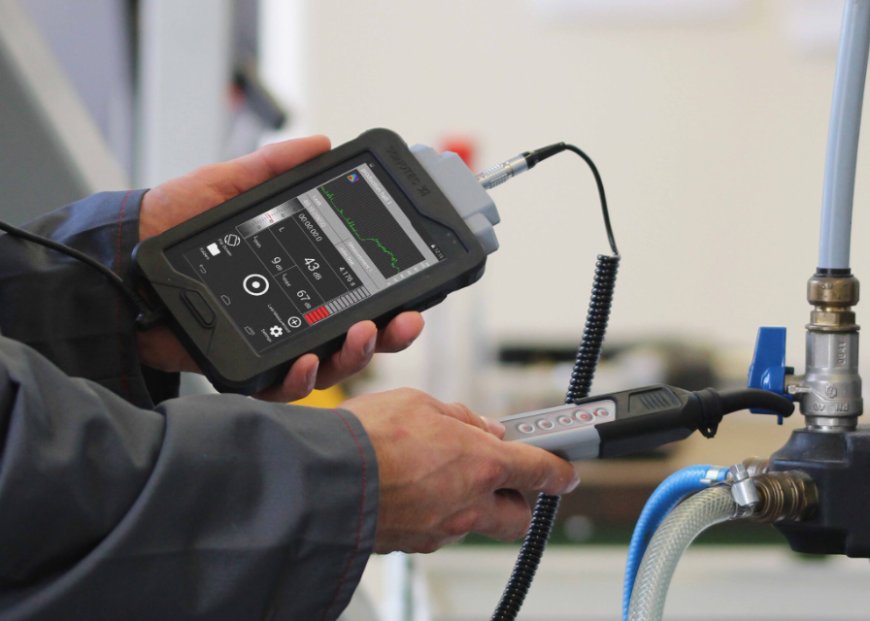
1. Acoustic Listening Devices
These devices amplify the sound of water escaping from pipes. Trained professionals use them to "hear" leaks behind walls, under floors, or underground.
2. Infrared Cameras
Thermal imaging detects changes in temperature, which can reveal hidden moisture or leaks in walls and ceilings.
3. Moisture Meters
These tools measure the amount of moisture in building materials like wood or drywall. They help pinpoint the areas with the highest risk.
4. Pressure Testing
Plumbers may isolate a section of your plumbing and test the water pressure. If it drops unexpectedly, theres likely a leak in that area.
DIY Leak Detection Tips
If you want to check for leaks yourself before calling a professional, try these simple methods:
1. Monitor Your Water Meter
Turn off all water fixtures, then check your meter. If it keeps moving, theres likely a hidden leak somewhere.
2. Use Food Coloring in Toilets
Add a few drops of food coloring into your toilet tank. If the color appears in the bowl without flushing, you have a leak.
3. Check for Drips
Look under sinks, around water heaters, and behind appliances for moisture, puddles, or rust.
While these steps are useful, some leaks require professional tools and training to locate. Thats why hiring a leak detection expert can be a smart move for more complex cases.
What to Do If You Find a Leak
Discovering a leak is only half the battletaking action quickly is what really matters. Heres what you should do:
-
Turn Off the Water Supply: Shut off the main valve to prevent further damage.
-
Clean Up Standing Water: Mop up excess water to prevent mold.
-
Document the Damage: Take photos for insurance purposes.
-
Call a Professional: For larger or hidden leaks, hire an experienced plumber or leak detection specialist.
-
Prevent Future Leaks: Consider upgrading old plumbing or installing water leak sensors.
Benefits of Early Leak Detection
Catching leaks early offers several advantages:
-
Lower Water Bills: Fixing leaks can reduce waste and save money.
-
Protect Your Property: Avoid expensive repairs from long-term water damage.
-
Healthier Home: Prevent mold, which can cause allergies and respiratory issues.
-
Eco-Friendly: Conserving water benefits the environment.
-
Peace of Mind: Knowing your plumbing is secure helps you sleep better at night.
FAQs
Q1: Is professional leak detection expensive?
A: While the cost varies depending on the situation, professional leak detection often saves you more money in the long run by preventing serious damage.
Q2: Can leaks go unnoticed for years?
A: Yes, especially if theyre underground or behind walls. This is why regular inspections are important.
Q3: Is it better to fix a leak yourself or call a pro?
A: Small leaks may be DIY-friendly, but hidden or recurring leaks should be handled by a licensed expert.
Q4: How often should I check my home for leaks?
A: Ideally, do a basic check every few months and get a professional inspection once a year.
Q5: What are the most common signs of hidden leaks?
A: High water bills, moldy smells, wall discoloration, or damp flooring are all strong indicators.
Final Thoughts
Water leaks are one of the most common and costly issues for homeowners. But with awareness and action, theyre also one of the most preventable. From using DIY methods to calling in professionals, leak detection gives you the power to protect your property, save money, and prevent long-term damage.