Everything You Need to Know About Installing an Irrigation System
Learn how an irrigation system can save water, reduce work, and improve your garden's health. Explore types, tips, and maintenance in this helpful guide.

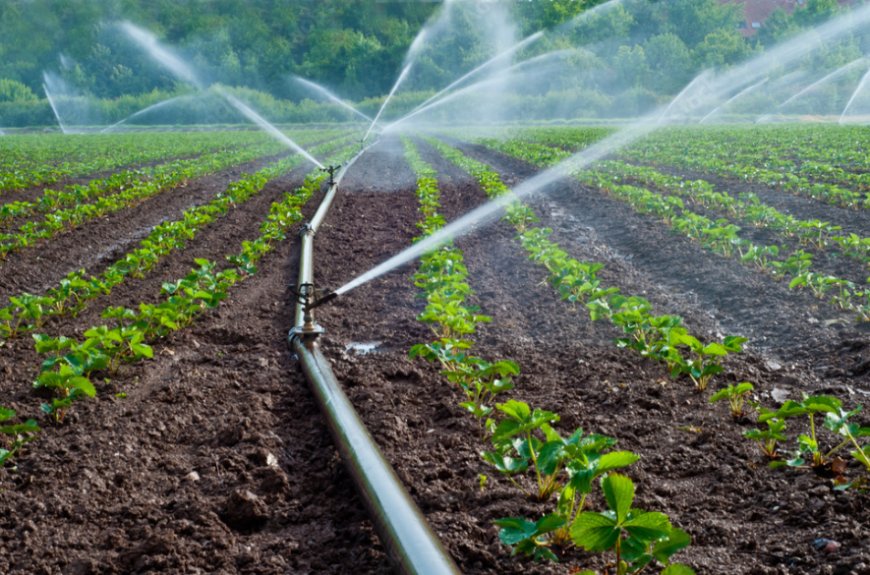
Keeping your lawn or garden healthy takes more than just occasional wateringit requires a reliable and efficient irrigation system. Whether youre a homeowner wanting greener grass or a farmer looking to optimize water usage, a good irrigation setup saves time, reduces water waste, and improves plant health. In this blog, well explain what an irrigation system is, its different types, how to choose the right one, and maintenance tips to keep it working year-round. By the end, you'll understand how to create a well-watered space without hassle.
What Is an Irrigation System?
An irrigation system is a method of delivering water to soil or plants in a controlled and efficient manner. It replaces the need for manual watering, which is often time-consuming and inconsistent. These systems are designed to provide the right amount of water, at the right time, helping plants grow better.
Whether it's for a garden, lawn, or agricultural field, irrigation systems offer convenience and conservation. With proper installation, they reduce water waste, improve soil quality, and support healthier plant growth.
Types of Irrigation Systems
Choosing the right irrigation system depends on your landscape, water needs, and budget. Here are the most common types:
-
Drip Irrigation: Delivers water directly to the roots. Ideal for gardens and flower beds.
-
Sprinkler Systems: Mimic rainfall using rotating or fixed heads. Perfect for lawns.
-
Surface Irrigation: Involves flooding or flowing water across the soil. Common in farms.
-
Subsurface Irrigation: Pipes below the surface deliver water straight to the roots.
-
Manual Systems: Simple hose-based watering, which lacks automation but is affordable.
Each irrigation system type serves a different purpose and can be tailored to specific plant and soil needs.
Benefits of Installing an Irrigation System
An irrigation system isnt just about watering plantsit provides long-term benefits for your home or farm:
-
Water Efficiency: Conserves water by avoiding overwatering and targeting only the needed areas.
-
Time Savings: Automated systems save hours of manual labor every week.
-
Healthier Plants: Consistent watering promotes deeper root growth and healthier foliage.
-
Property Value Boost: A green, well-maintained landscape enhances curb appeal.
-
Cost Savings: Less water usage and fewer dead plants means lower utility and replacement costs.
Installing a reliable irrigation system pays off both financially and environmentally.
How to Choose the Right Irrigation System
When picking a system, consider several important factors:
-
Size of Area: Larger areas might benefit from sprinkler systems, while smaller gardens suit drip irrigation.
-
Plant Types: Lawns, vegetables, and flower beds may require different watering styles.
-
Soil Conditions: Sandy or clay soils affect water absorption and system effectiveness.
-
Budget: Drip systems are cost-effective, while automated sprinklers may require a higher upfront cost.
-
Water Availability: Consider local water pressure and supply when selecting system components.
Consulting an expert can help ensure you choose the most efficient irrigation system for your unique landscape.
Maintenance Tips for Irrigation Systems
Like any equipment, irrigation systems need regular maintenance to function properly:
-
Inspect for Leaks: Check hoses, nozzles, and connections for signs of leakage or wear.
-
Clean Filters and Heads: Clogged parts can reduce water flow and cause uneven watering.
-
Adjust Timing: Update your watering schedule based on the season and rainfall.
-
Winterize the System: In cold climates, drain water before freezing temperatures hit.
-
Test Coverage: Make sure every part of your landscape gets the right amount of water.
Proper care extends the life of your irrigation system and keeps your plants in top shape all year long.
FAQs About Irrigation Systems
Q1: How much does it cost to install an irrigation system?
A: Residential systems typically range from $1,500 to $3,500 depending on yard size and system type.
Q2: Can I install an irrigation system myself?
A: Simple systems can be DIY, but larger or automated setups are best left to professionals.
Q3: How often should I water my lawn with an irrigation system?
A: Most lawns need 1 to 1.5 inches of water per week. Adjust based on weather and grass type.
Q4: Do irrigation systems work with rain sensors?
A: Yes, many modern systems include rain sensors to avoid watering during or after rainfall.
Q5: How long do irrigation systems last?
A: With proper maintenance, systems can last 1020 years or more.
Conclusion: Make Watering Easy with the Right Irrigation System
Investing in a smart irrigation system makes it easy to keep your plants healthy, your landscape green, and your water usage efficient. With so many options and features available, there's a solution for every yard, garden, or farm. By choosing the right system, maintaining it properly, and adjusting it seasonally, you'll save time, money, and resources.