Rice, Wheat, and Beyond: Diversifying Your Trade Portfolio for Greater Profits
Boost profits by expanding your trade portfolio. Learn how agriculture exporters can grow through rice, wheat, and other high-demand commodity opportunities.

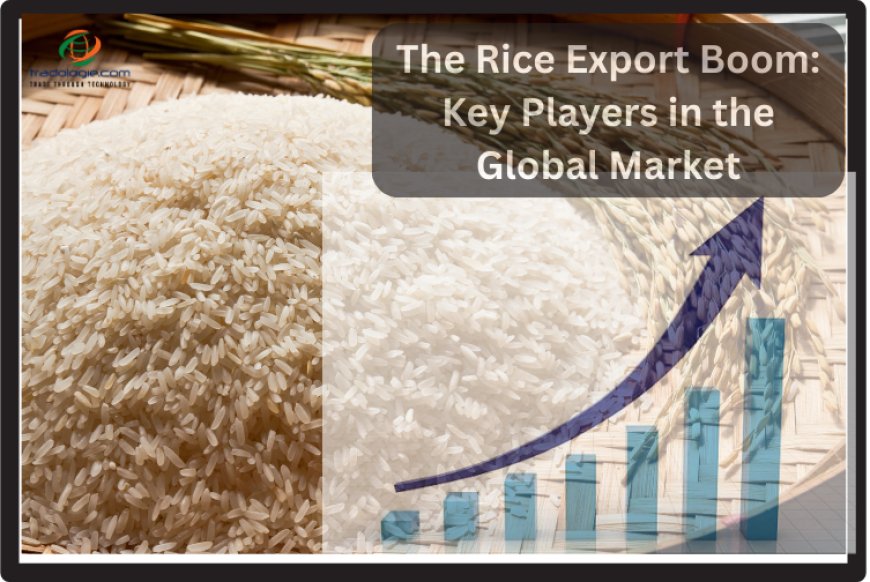
The agro commodity industry is becoming versatile like any other sector. Dependency on a single staplewhether rice or wheatlimits commercial resilience in todays agro?commodity markets.Agriculture exporters, traders, and procurement heads are increasingly recognising the value of product diversification in stabilising margins, smoothing supply chain cycles, and enhancing market access. Trade portfolios can tap new revenue streams while mitigating price, policy, and climatic risks by branching into adjacent cereals, pulses, and value?added grains,
Portfolio Concentration Risk in Rice and Wheat
The global rice trade remains robust, but with structural nuances. The rice exports totalled USD?34.2?billion In 2023. This was up marginally from USD?34?billion the previous year and represented approximately 0.15% of global merchandise trade. Meanwhile, global wheat stands as a far more significant asset class: according to FAO and OEC data, wheat production and trade volumes exceed any other grain, reflecting its status as a commercial staple.
However, these volumes belie structural fragility. Crop-specific eventssuch as the Black Sea corridor disruptionscan sharply affect global wheat flows. Similarly, rice exports hinge heavily on monsoon cycles and export policy, making both crops vulnerable to single-origin shocks.
Why Diversify? Multi-Commodity Advantages
1. Supply Chain Resilience
Sourcing from multiple agro commodities and origins helps smooth procurement cycles. When rice shipments slow, wheat or maize consignment can plug volume gaps. This flexibility also aids in contract fulfilment during regional climatic disruptions.
2. Margin Arbitrage
Each grain carries its own supply-demand dynamics. Wheat prices may align with CBOT futures, while rice follows global consumption patterns in Asia and Africa. By distributing volumes across commodities, traders can mitigate futures exposure and stabilise gross margin returns.
3. Market Segmentation
Different commodities serve different buyer profiles. Rice often caters to ethnic food processors and food-aid agencies, whole wheat supports flour mills and industrial baking. Pulses and coarse cereals open doors to HORECA segments, vegan markets, and secure government tenders.
Strategic Product Extension: Beyond Rice and Wheat
Several additional commodities present viable extensions:
-
Maize/Corn Dependent on feed and industrial uses.
-
Coarse Grains (barley, sorghum) Favoured in livestock feed and brewing sectors.
-
Oilseeds (soybean, canola) Offer high-volume trade and refined product synergies.
-
Pulses (lentils, chickpeas) In demand in plant-protein alternative markets and social feeding schemes.
-
Value-Added Grains (millets, quinoa) Tap health-focused retail and institutional buyers.
These can be sourced from complementary origins like the US, Canada, South America, and Africa, further reducing single-country dependency.
Key Market Data for Strategic Planning
-
Rice: 2023 global exports reached USD 34.2B, with top rice exportersincluding India (36% of share, USD 10.45B), Thailand (USD 5.15B), Pakistan, US, and China.
-
Wheat: With over 799 million tonnes produced in 2023 and travelled through major supply chains, wheat constitutes the largest cereal in global trade.
-
Wheat gluten, a wheat derivative, reached USD 2.39B in trade for 2023, growing 6.61% from the previous year.
These figures underscore not only volume but value differentiationderivatives like gluten yield stronger pricing and market segmentation.
Mitigating Operational Risks Through Diversification
Climatic Seasonality Grains like wheat and barley have staggered harvest cycles in the Northern and Southern Hemispheres. Diversifying allows consignments to ship year-round.
Policy Risk Management Export restrictions (e.g. Indias rice bans) can derail execution. Distributing exports across multiple crops and origins shields traders from such policy volatility.
Freight & Logistics Stability Bulk commodity shipments vary in logistics complexity. Combining containerised rice with break-bulk wheat or flexi-tank oilseeds helps balance shipping lanes, reduce demurrage risk, and optimise port utilisation.
Looking Ahead: Portfolio Structuring for Profits
A structured approach to diversification requires:
-
Integrated Origin Strategy Map complementary crop sources across climate zones and trade corridors. This aids in scenario planning and cost optimisation.
-
Demand Profiling Match products to buyer archetypes: ethnic brands prefer rice; industrial bakeries need wheat; feed mills demand coarse grains.
-
Contract Architecture Diversified portfolios allow layering of contract types: spot for commodities like oilseeds, forward for wheat, and shelf-stable volumes for pulses.
-
Compliance Readiness Different commodities come with different sanitary regulations, residue limits, and packaging formats. A modular quality assurance system ensures consistency.
-
Trade Finance and Hedging Multiple commodity portfolios offer leverage for aggregated trade credits and futures book balancing to smooth forex and price risk.
Conclusion
Diversification across grains, oilseeds, and pulses is more than a hedgeits a competitive strategy. It enhances flexibility and strengthens the continuity of supply for agro-commodity buyers. Those who diversify thoughtfully across crops, origins, and value chains stand to capture greater margins, reduce risk, and sustain growth in evolving trade landscapes as global markets become more interconnected and volatile.