A Practical Guide to Home Maintenance: When to DIY and When to Seek Professional Help

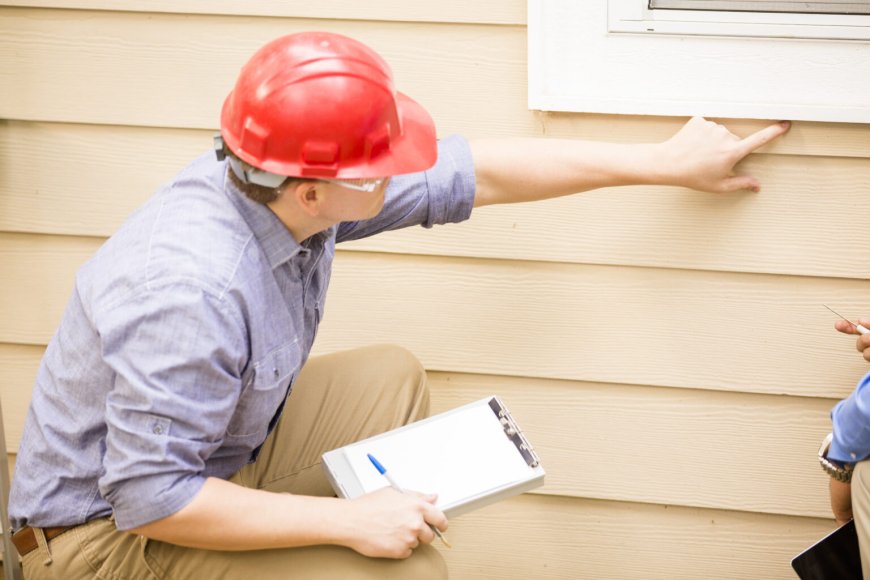
Every home requires care. Whether it's a newly built house or one that has weathered many seasons, maintenance plays a central role in its condition, safety, and long-term value. It's not just about keeping things clean or repainting walls. True maintenance is an ongoing processa quiet, often unnoticed routine that prevents small issues from turning into major problems.
Understanding how to maintain your homeand when to call on outside helpis part of being a responsible homeowner. This guide walks through that process, balancing everyday maintenance with practical judgment about when professional support is necessary.
Laying the Foundation: Understanding Basic Maintenance
A home is made up of multiple systemsstructural, mechanical, electrical, and environmental. Over time, these components experience wear and require attention.
Some tasks are simple and can be performed by any homeowner:
-
Cleaning vents and filters
-
Inspecting faucets and plumbing connections
-
Replacing light bulbs or smoke alarm batteries
-
Checking for visible cracks or water stains
These efforts may seem minor, but they can reveal underlying issues before they escalate. The goal isnt perfectionits consistency.
Key Areas to Monitor Regularly
A well-maintained home doesn't require constant attention, but it does benefit from scheduled checks. Here are some essential areas that should be reviewed:
Plumbing
-
Check under sinks for signs of leaks
-
Monitor water pressure from taps and showers
-
Inspect exposed pipes for corrosion or buildup
Electrical
-
Test outlets and switches for unusual heat or flickering
-
Replace worn extension cords or outdated power strips
-
Check breaker boxes for signs of rust or overheating
Roofing and Gutters
-
Remove debris from gutters seasonally
-
Look for missing shingles or flashing
-
Examine attic spaces for moisture or mold
Heating and Cooling
-
Replace air filters every few months
-
Clean vents and registers
-
Schedule annual inspections before winter or summer begins
Routine Maintenance Reference
|
Task |
Recommended Frequency |
Purpose |
|
Clean HVAC filters |
Every 23 months |
Improves air quality and system efficiency |
|
Test smoke/carbon detectors |
Every 6 months |
Ensures safety in emergencies |
|
Inspect foundation |
Annually |
Detects early structural issues |
|
Gutter cleaning |
Spring and Fall |
Prevents water damage |
|
Re-seal windows/doors |
Annually |
Reduces energy loss |
The DIY Approach: When Its Manageable
Homeowners canand often shouldhandle certain types of maintenance themselves. Not only does this promote familiarity with the home, but it also keeps overall costs down.
Typical DIY tasks include:
-
Fixing running toilets or replacing flappers
-
Applying caulk to seal windows or bathroom tiles
-
Cleaning dryer vents and refrigerator coils
-
Tightening loose fixtures or handles
These jobs are usually low-risk, affordable, and straightforward. With basic tools and a bit of research, many household issues can be resolved independently.
Knowing Your Limits: When Its Time to Call for Help
While it's admirable to handle repairs independently, there are situations where professional intervention becomes necessary. Recognizing this boundary can prevent mistakes, damage, and safety concerns.
Examples of scenarios where professional support is appropriate:
-
Electrical rewiring or panel upgrades
-
Structural repairs involving foundation or framing
-
Plumbing issues requiring pipe replacement
-
Roof leaks or damage not accessible safely
-
Mold remediation or water intrusion diagnosis
In these cases, relying on licensed professionals ensures work is done to code, with appropriate tools, knowledge, and liability coverage.
A Realistic Scenario
Imagine noticing a small leak beneath your kitchen sink. You tighten a pipe, replace a washer, and things seem fine. A month later, the leak returnsworse than before. This time, the cabinet shows signs of water damage, and you detect a musty smell.
In this moment, its not just about fixing the leak. It's about identifying the source of the water, assessing the damage, and ensuring mold or rot hasn't taken hold behind the wall.
Situations like this highlight why knowing when to involve a professional is just as important as learning to fix minor problems yourself.
Balancing Responsibility with Expertise
Maintaining a home requires both effort and awareness. The work doesnt always come with warning signs. Cracks appear slowly, pipes wear down over years, and electrical systems degrade silently. Having a regular routine for inspecting and addressing small tasks helps prevent larger issues.
However, homeowners shouldnt feel pressure to handle every problem alone. Professional help exists for a reasonnot as a last resort, but as a resource for complex or high-risk work.
When considering Home Improvement Vancouver or similar efforts, the most balanced approach involves doing what you can while remaining open to expert support when needed.
Conclusion
A well-cared-for home doesn't just happenits the product of time, attention, and practical choices. Some of that work can be handled independently: cleaning, inspecting, tightening, sealing. But some jobs are better left to those with training and tools for the task.
The goal isnt to avoid cost or effortits to make informed decisions. In the long run, thoughtful maintenance backed by occasional professional support protects your home, your budget, and your peace of mind.